How to Select the Best Plumbing Pipe?
Introduction
Introduction
A reliable plumbing system is the backbone of every home, commercial building, and industrial project. Whether you’re constructing a new property or upgrading an old water supply network, choosing the right plumbing pipe can make a significant difference in durability, water quality, and maintenance costs.
With multiple options available in the market, many homeowners and contractors often struggle to decide which pipe material is suitable for their needs. Understanding different plumbing pipe material, plumbing pipe fittings, and plastic plumbing pipes and fittings can help you make an informed decision that lasts for decades.
In this comprehensive guide, we’ll explain everything you need to know about plumbing pipes, their types, applications, benefits, and how to choose the right solution for your project.
What Is a Plumbing Pipe?
A plumbing pipe is a specially designed pipe used to transport clean water, hot water, wastewater, and other fluids throughout residential, commercial, and industrial buildings. These pipes form the foundation of every plumbing system, ensuring a safe and uninterrupted water supply.
Modern plumbing systems prioritize durability, leak resistance, corrosion protection, and easy installation. Thanks to advancements in manufacturing, today’s plumbing pipes are stronger, lighter, and more efficient than traditional metal alternatives.
Why Choosing the Right Plumbing Pipe Matters
Selecting the right plumbing pipe isn’t only about cost. It directly affects:
- Water quality
- System lifespan
- Leak prevention
- Maintenance expenses
- Water pressure
- Energy efficiency
- Installation time
Using the wrong pipe material may lead to corrosion, cracks, leakage, or expensive repairs in the future.
Understanding Different Plumbing Pipe Material
Choosing the correct plumbing pipe material depends on the application, water temperature, pressure, and budget.
1. PVC Pipes
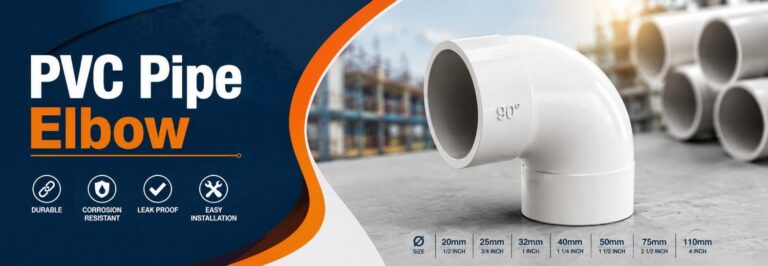
PVC (Polyvinyl Chloride) pipes are among the most commonly used plumbing pipes for cold water applications.
Advantages
- Lightweight
- Rust-free
- Affordable
- Easy installation
- Low maintenance
- Long service life
Best for:
- Cold water supply
- Drainage systems
- Irrigation
- Vent lines
2. CPVC Pipes
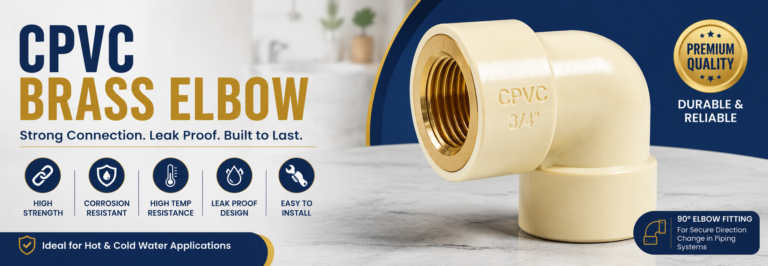
CPVC (Chlorinated Polyvinyl Chloride) pipes are specifically designed for both hot and cold water systems.
Benefits
- Handles high temperatures
- Corrosion resistant
- Long-lasting
- Smooth internal surface
- Reduces scaling
Ideal for:
- Residential plumbing
- Commercial buildings
- Hot water supply
- Industrial water distribution
3. UPVC Pipes
UPVC pipes are rigid plastic pipes known for strength and chemical resistance.
Suitable for:
- Drinking water supply
- Agricultural irrigation
- Industrial applications
- Rainwater systems
4. Copper Pipes
Copper has been a trusted plumbing material for decades.
Advantages include:
- High durability
- Heat resistance
- Bacteria resistance
- Long lifespan
However, copper pipes are relatively expensive and require skilled installation.
5. PEX Pipes
PEX pipes are flexible plastic plumbing pipes gaining popularity in modern construction.
Benefits include:
- Flexible installation
- Freeze resistance
- Reduced joints
- Lower installation costs
Plastic Plumbing Pipes and Fittings: Why They’re Becoming the First Choice
Today’s construction industry increasingly prefers plastic plumbing pipes and fittings because they combine performance with affordability.
Some key advantages include:
Corrosion Resistance
Unlike metal pipes, plastic pipes never rust or corrode, ensuring cleaner water.
Lightweight
Plastic pipes are significantly lighter, making transportation and installation easier.
Longer Service Life
Quality plastic plumbing systems can easily last 50 years or more with minimal maintenance.
Leak-Free Connections
Modern fittings and solvent cement create strong leak-proof joints.
Cost-Effective
Plastic plumbing systems reduce installation, maintenance, and replacement expenses.
Types of Plumbing Pipe Fittings
A plumbing system is incomplete without reliable plumbing pipe fittings. These components connect, redirect, or control water flow throughout the pipeline.
Common plumbing pipe fittings include:
Elbows
Used to change pipe direction at various angles.
Applications:
- Bathroom plumbing
- Kitchen installations
- Water supply lines
Tees
Connect three pipes together for branch connections.
Used in:
- Residential plumbing
- Water distribution systems
Couplings
Join two pipes of the same diameter securely.
Reducers
Connect pipes with different diameters while maintaining smooth water flow.
Unions
Allow pipes to be disconnected easily during maintenance.
Valves
Control or stop water flow whenever required.
Common valve types include:
- Ball valves
- Gate valves
- Check valves
- Butterfly valves
End Caps
Seal the end of a pipeline safely.
How to Choose the Best Plumbing Pipe
Before purchasing plumbing pipes, consider these important factors.
Water Temperature
Hot water systems require CPVC or copper pipes, while cold water applications often use PVC or UPVC.
Water Pressure
Choose pipes designed to handle expected operating pressure.
Pipe Diameter
Correct sizing ensures proper water flow and pressure.
Installation Area
Underground, indoor, and industrial installations may require different pipe materials.
Chemical Resistance
Industrial plumbing often needs pipes resistant to chemicals and corrosion.
Budget
Balance initial investment with long-term durability and maintenance costs.
Common Applications of Plumbing Pipes
Modern plumbing pipes are used across various sectors.
Residential Buildings
- Bathrooms
- Kitchens
- Water tanks
- Hot water systems
Commercial Buildings
- Hotels
- Hospitals
- Offices
- Shopping malls
Industrial Facilities
- Chemical plants
- Manufacturing units
- Cooling systems
Agriculture
- Irrigation
- Water transportation
Installation Tips for Long-Lasting Plumbing Systems
Proper installation is just as important as selecting quality pipes.
Some useful practices include:
- Measure pipe lengths accurately.
- Use compatible fittings.
- Apply recommended solvent cement.
- Avoid excessive bending.
- Support pipelines properly.
- Test the system before final installation.
- Follow manufacturer installation guidelines.
Professional installation helps maximize pipe performance and service life.
Common Plumbing Pipe Problems
Even high-quality pipes may develop issues if poorly installed or maintained.
Typical problems include:
Leakage
Usually caused by damaged fittings or improper joints.
Low Water Pressure
May result from blockages or undersized pipes.
Pipe Cracks
Extreme temperatures or poor-quality materials can cause cracks.
Joint Failure
Incorrect installation techniques often lead to joint leakage.
Routine inspections help detect these issues early and prevent costly repairs.
Maintenance Tips for Plumbing Pipes
A well-maintained plumbing system offers reliable performance for years.
Recommended maintenance includes:
- Inspect joints regularly.
- Repair leaks immediately.
- Clean pipelines periodically.
- Avoid excessive water pressure.
- Replace damaged fittings promptly.
- Use quality replacement components.
Preventive maintenance significantly extends the lifespan of plumbing systems.
Why Quality Plumbing Pipe Fittings Matter
Many plumbing failures occur not because of poor pipes but due to inferior fittings.
High-quality plumbing pipe fittings provide:
- Better sealing
- Strong connections
- Reduced leakage
- Improved water pressure
- Longer system life
- Easier maintenance
Always ensure fittings are compatible with your chosen plumbing pipe material.
The Future of Plastic Plumbing Pipes and Fittings
Advancements in polymer technology continue to improve plastic plumbing pipes and fittings. Modern manufacturing delivers products with:
- Enhanced strength
- Better pressure resistance
- Improved temperature tolerance
- Longer lifespan
- Greater environmental sustainability
As construction standards evolve, plastic plumbing systems are expected to remain the preferred choice for residential and commercial projects due to their reliability and cost-effectiveness.
Conclusion
Selecting the right plumbing pipe is an investment in the safety, efficiency, and longevity of your water distribution system. By understanding different plumbing pipe material, choosing reliable plumbing pipe fittings, and opting for high-quality plastic plumbing pipes and fittings, you can build a plumbing network that performs efficiently for years with minimal maintenance.
Whether you’re renovating your home, constructing a new building, or managing a commercial project, always prioritize certified, durable plumbing products that meet industry standards. A well-designed plumbing system not only saves money over time but also ensures a consistent and safe water supply.
Looking for expert guidance on selecting the right plumbing pipe or plumbing solutions for your project? Plumbing Advisor India provides trusted insights, product recommendations, and industry expertise to help homeowners, contractors, and builders make informed decisions. Visit Plumbing Advisor India today to explore expert resources and choose the best plumbing solutions for long-lasting performance.
FAQs
1. Which plumbing pipe is best for home water supply?
CPVC pipes are widely considered one of the best options for home water supply because they can safely handle both hot and cold water, resist corrosion, and have a long service life.
2. What are the most common plumbing pipe materials?
The most common plumbing pipe materials include PVC, CPVC, UPVC, PEX, and copper. Each is suited to different plumbing applications based on temperature, pressure, and budget.
3. Why are plastic plumbing pipes and fittings so popular?
Plastic plumbing pipes and fittings are lightweight, corrosion-resistant, easy to install, cost-effective, and require minimal maintenance, making them a preferred choice for modern plumbing systems.
4. What are the essential plumbing pipe fittings?
Essential plumbing pipe fittings include elbows, tees, couplings, reducers, unions, valves, and end caps. These components help connect, control, and redirect water flow efficiently.
5. How long do plumbing pipes typically last?
The lifespan depends on the material and installation quality. High-quality PVC, CPVC, and UPVC plumbing pipes can last 50 years or more when properly installed and maintained.