PVC Pipe Elbow: Types, Uses, Benefits, and Installation Guide
Introduction
Introduction
PVC pipe elbows are among the most important components in modern plumbing, irrigation, drainage, and industrial piping systems. Whether you’re building a residential water supply network or a large-scale agricultural irrigation system, choosing the right PVC elbow fitting ensures smooth water flow, leak-free connections, and long-lasting system performance.
PVC pipe elbows are designed to change the direction of water flow without significantly affecting pipeline efficiency. Available in various angles, sizes, and pressure ratings, these fittings are suitable for a wide range of residential, commercial, and industrial applications.
What is a PVC Pipe Elbow?
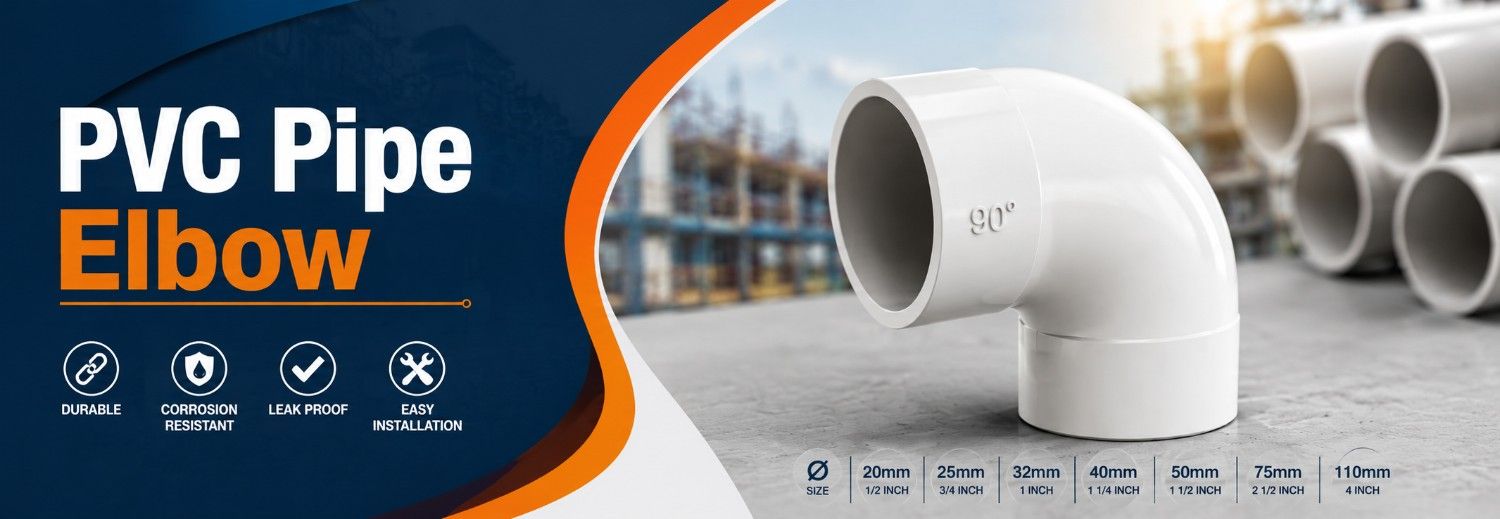
A PVC pipe elbow is a pipe fitting used to connect two PVC pipes while changing the direction of the pipeline. These fittings are commonly available in 22.5°, 45°, and 90° angles.
Manufactured from high-quality Polyvinyl Chloride (PVC), these elbows are lightweight, corrosion-resistant, durable, and easy to install. They help maintain water pressure while ensuring secure and leak-proof connections.
Common Uses
- Residential plumbing
- Commercial buildings
- Agricultural irrigation
- Industrial piping
- Water supply systems
- Drainage networks
- Swimming pools
- Chemical processing plants
Why PVC Pipe Elbows are Important
Pipelines rarely run in perfectly straight lines. Buildings, walls, machinery, landscapes, and underground layouts require pipelines to change direction multiple times.
A quality PVC elbow fitting helps:
- Redirect water efficiently
- Reduce unnecessary pipe bending
- Maintain consistent water pressure
- Prevent leakage
- Improve pipeline stability
- Extend the lifespan of the entire piping system
Without elbow fittings, plumbing systems would be difficult to install and operate efficiently.
Types of PVC Pipe Elbows
1. 90° PVC Pipe Elbow
A 90-degree PVC elbow creates a right-angle turn in the pipeline.
Applications
- Residential plumbing
- Bathrooms
- Kitchens
- Industrial water lines
- Water storage tanks
It is the most commonly used PVC elbow.
2. 45° PVC Pipe Elbow
A 45-degree elbow provides a smoother directional change, reducing flow resistance and pressure loss.
Ideal For
- Irrigation systems
- Drainage pipelines
- Rainwater harvesting
- Sewer systems
3. Street Elbow
A street elbow has one male end and one female end, allowing direct connection without requiring an additional fitting.
Advantages
- Compact installation
- Fewer fittings required
- Reduced chances of joint leakage
4. Long Radius Elbow
A long-radius elbow allows water to flow more smoothly around bends, minimizing turbulence and pressure loss.
Common Applications
- High-flow pipelines
- Industrial piping
- Water treatment plants
5. Short Radius Elbow
A short-radius elbow requires less installation space and is suitable for compact piping layouts.
Suitable For
- Small buildings
- Machinery connections
- Compact plumbing systems
Material Features of PVC Pipe Elbows
PVC elbows are manufactured using premium-quality Polyvinyl Chloride, offering excellent mechanical strength and durability.
Key Material Features
- High tensile strength
- Corrosion resistance
- Chemical resistance
- Lightweight construction
- UV-resistant options
- Smooth internal surface
These characteristics make PVC elbows suitable for both indoor and outdoor installations.
Benefits of PVC Pipe Elbows
Excellent Corrosion Resistance
PVC elbows do not rust or corrode, making them ideal for moist and chemically aggressive environments.
Lightweight Construction
Compared to metal fittings, PVC elbows are significantly lighter, making transportation and installation easier.
Leak-Proof Connections
When installed correctly with primer and solvent cement, PVC elbows create secure and leak-free joints.
Long Service Life
Quality PVC fittings provide reliable performance for many years under normal operating conditions.
Cost-Effective Solution
PVC elbows offer:
- Affordable pricing
- Low installation costs
- Minimal maintenance
- Long operational life
Smooth Water Flow
The smooth inner surface minimizes friction losses and improves hydraulic efficiency.
Easy Installation
PVC elbows require only basic tools, making installation quick and convenient for professionals as well as experienced DIY users.
Common Applications of PVC Pipe Elbows
PVC elbow fittings are widely used across numerous industries.
Residential Plumbing
Used in:
- Kitchens
- Bathrooms
- Utility rooms
- Overhead water tanks
Agricultural Irrigation
Ideal for:
- Drip irrigation
- Sprinkler systems
- Tube wells
- Farm water distribution
Drainage Systems
PVC elbows help guide wastewater through residential and commercial drainage systems.
Industrial Pipelines
Used in manufacturing plants and chemical processing industries for transporting liquids safely.
Swimming Pools
Connect pumps, filters, and return lines within pool circulation systems.
Rainwater Harvesting
Direct collected rainwater efficiently into storage tanks and harvesting systems.
How to Choose the Right PVC Pipe Elbow
Selecting the correct elbow fitting depends on several important factors.
Pipe Size
Choose an elbow with the same diameter as the pipeline.
Pressure Rating
Ensure the fitting can safely handle the system’s operating pressure.
Angle Selection
Choose the appropriate angle based on the pipeline design:
- 22.5°
- 45°
- 90°
Application
Different projects require different fittings.
Examples include:
- Water supply
- Drainage
- Irrigation
- Industrial chemical transport
Quality Standards
Always purchase fittings that comply with recognized manufacturing standards to ensure safety and consistent performance.
PVC Pipe Elbows vs Other PVC Pipe Fittings
A complete PVC piping system typically includes:
- Couplers
- Reducers
- Tees
- Cross fittings
- End caps
- Unions
- Adaptors
- Bushings
- Elbow fittings
Among these, elbow fittings are one of the most frequently used because nearly every piping system requires directional changes.
PVC Pipe Elbow Installation Guide
Step 1: Measure the Pipe
Measure carefully before cutting to ensure accurate fitting.
Step 2: Cut the Pipe
Use a PVC pipe cutter to make clean and straight cuts.
Step 3: Remove Burrs
Smooth the cut edges for proper fitting and sealing.
Step 4: Dry Fit
Assemble all components without adhesive to verify proper alignment.
Step 5: Apply Primer
Use PVC primer if recommended for the specific application.
Step 6: Apply Solvent Cement
Evenly coat both the pipe end and the inside of the elbow fitting.
Step 7: Join the Pipe
Insert the pipe fully into the elbow while giving it a slight twist to distribute the cement evenly.
Step 8: Allow Proper Curing
Wait for the manufacturer’s recommended curing time before pressurizing the system.
Maintenance Tips
PVC elbows require very little maintenance.
For long-term performance:
- Inspect joints periodically.
- Avoid excessive pressure.
- Protect exposed fittings from impact damage.
- Replace damaged fittings promptly.
- Clean pipelines regularly to prevent blockages.
Common Installation Mistakes to Avoid
Avoid these common errors:
- Choosing the wrong elbow angle
- Using the incorrect pipe size
- Applying excessive solvent cement
- Pressurizing the system before curing
- Misaligning the pipe during installation
- Using low-quality fittings
Proper installation greatly improves system reliability and longevity.
Environmental Benefits of PVC Pipe Elbows
Modern PVC products contribute to sustainable infrastructure through:
- Long operational life
- Reduced maintenance
- Lower replacement frequency
- Efficient water transportation
- Recyclable materials
- Reduced transportation emissions due to lightweight construction
Why Quality Matters
Not all PVC elbows are manufactured to the same standards.
Premium-quality fittings provide:
- Better dimensional accuracy
- Stronger joints
- Higher pressure resistance
- Improved chemical resistance
- Longer service life
- Consistent manufacturing quality
Using high-quality PVC fittings reduces maintenance costs and minimizes the risk of system failures.
Conclusion
PVC pipe elbows may be small components, but they play a vital role in ensuring efficient water flow, secure pipeline connections, and long-lasting plumbing systems. Whether used in residential plumbing, agricultural irrigation, drainage, or industrial applications, selecting the right PVC elbow fitting significantly improves system performance and durability.
By understanding the different types of PVC pipe elbows, choosing high-quality fittings, and following proper installation techniques, you can build safe, efficient, and leak-free piping networks that deliver reliable performance for years to come.
FAQs
1. What is the purpose of a PVC pipe elbow?
A PVC pipe elbow changes the direction of a pipeline while maintaining efficient water flow. It is commonly used in plumbing, irrigation, drainage, and industrial piping systems.
2. What are the different PVC pipe elbow types available?
The most common PVC pipe elbow types include 45-degree elbows, 90-degree elbows, street elbows, long-radius elbows, and short-radius elbows. Each type is designed for specific installation and flow requirements.
3. Where are PVC pipe fittings elbow commonly used?
PVC pipe fittings elbow are widely used in residential plumbing, agricultural irrigation, drainage systems, water supply lines, swimming pools, industrial pipelines, and rainwater harvesting systems.
4. How do I choose the correct elbow pipe PVC fitting?
Choose an elbow pipe PVC fitting based on pipe diameter, pressure rating, required angle, application, and compatibility with the existing piping system. Using quality-certified fittings ensures better performance and durability.
5. How long do PVC pipe elbows last?
High-quality PVC pipe elbows can last for several decades when properly installed and used under recommended operating conditions. Regular inspection and correct installation further extend their service life.