HDPE Pipe: A Complete Guide to Fittings, Sizes, and Irrigation Uses
Introduction
Introduction
If you have ever stood in a hardware store staring at a wall of pipes wondering which one actually suits your project, you are not alone. Among the many options available in India’s plumbing and construction market today, HDPE pipe has quietly become the go to choice for homeowners, contractors, and farmers alike. At Plumbing Advisor India, we get asked about HDPE pipe almost every week, so we decided to put together a guide that answers the real questions people have, without the jargon that usually clutters these explanations.
What Exactly Is HDPE Pipe?
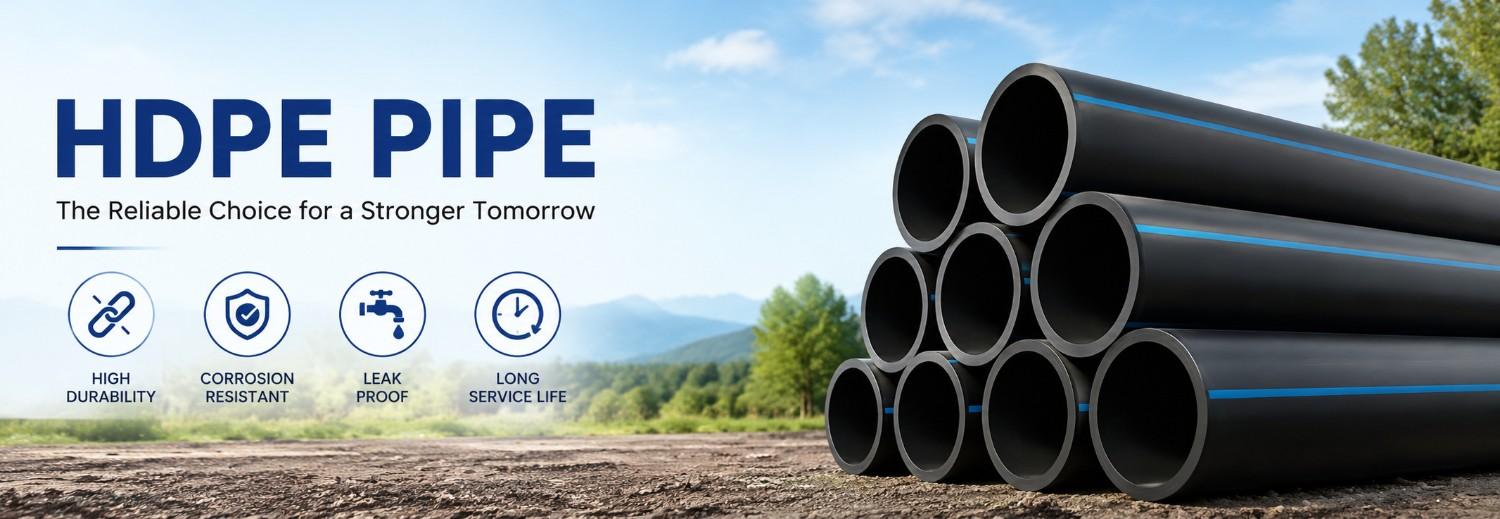
HDPE stands for High Density Polyethylene. In plain terms, it is a type of plastic pipe known for being tough, flexible, and remarkably long lasting. Unlike traditional metal or PVC piping, HDPE pipe can bend around obstacles without cracking, resist corrosion completely (since there is no metal to rust), and handle both pressurized water supply and gravity fed drainage systems.
What makes HDPE pipe particularly appealing is its lifespan. Properly installed HDPE piping can last 50 to 100 years, which is a big reason municipal water boards, industrial plants, and large scale irrigation projects across India have shifted toward it over the last decade. It is also UV resistant to a good degree, chemically inert (so it will not react with most substances passing through it), and lightweight enough that installation crews can move and join lengths of pipe without heavy machinery in many cases.
Why HDPE Pipe Fittings Matter So Much
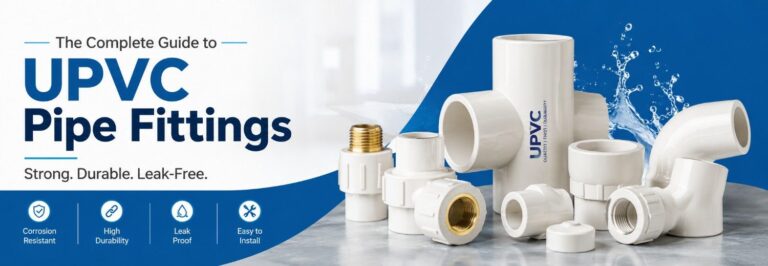
A pipe is only as good as the fittings that connect it, and this is where a lot of DIY plumbing projects run into trouble. HDPE pipe fittings are specially designed components, elbows, tees, couplers, reducers, and end caps, that allow you to build a complete piping network without weak points.
The biggest advantage here is the joining method. Most HDPE pipe fittings use either butt fusion or electrofusion welding, where the pipe and fitting are heated and fused together at a molecular level. This creates a joint that is often stronger than the pipe itself, with essentially zero chance of leaking over time (unlike threaded or glued joints, which can loosen or degrade). For smaller residential jobs, compression fittings are also common, offering a simpler mechanical connection that does not require specialized welding equipment.
A word of caution we always share with customers: mixing fitting types or using fittings not rated for the same pressure class as your pipe is one of the most common installation mistakes. Always match your HDPE pipe fittings to the SDR (Standard Dimension Ratio) and PN (pressure nominal) rating of your pipe to avoid failures down the line.
Understanding HDPE Pipe Sizes
This is probably the single most confusing part for first time buyers, so let’s break it down simply. HDPE pipe sizes are typically expressed in two ways: nominal outside diameter (in millimeters) and SDR, which tells you the wall thickness relative to the diameter.
Common HDPE pipe sizes available in the Indian market range from as small as 20mm (used for drip irrigation and small household connections) up to 1000mm or more (used in large municipal and industrial pipelines). For most residential and small commercial plumbing needs, sizes between 20mm and 110mm cover the majority of use cases, while agricultural and irrigation projects often use 32mm to 250mm depending on the scale of the land being covered.
The SDR number matters just as much as the diameter. A lower SDR number means a thicker pipe wall and a higher pressure rating, which is essential if your pipe will be carrying water under significant pressure, such as in a borewell connection or a multi story building’s supply line. A quick rule worth remembering: always size your HDPE pipe based on your actual flow rate and pressure requirements rather than just copying what a neighbor used, since every property’s water demand is different.
HDPE Irrigation Pipes: A Farmer’s Best Friend
For India’s agricultural sector, HDPE irrigation pipes have genuinely changed how water reaches crops. Traditional cement or metal channels lose a significant amount of water to seepage and evaporation, but HDPE piping delivers water directly with minimal loss, which matters enormously in regions facing water scarcity.
HDPE irrigation pipes work particularly well for drip irrigation and sprinkler systems because they can be laid both above and below ground, they flex around uneven terrain without needing rigid joints every few feet, and they resist damage from soil chemicals, fertilizers, and pesticides that would corrode metal alternatives over a few seasons. Many state government subsidy schemes for micro irrigation also specify HDPE pipe as the preferred material, which has pushed adoption even further among small and mid sized farmers.
If you are setting up an irrigation network, a general guideline is to use smaller diameter HDPE pipe (20mm to 40mm) for the lateral lines feeding individual plants or drip emitters, and larger diameter pipe (63mm and above) for the main line pulling water from the source, whether that is a borewell, canal, or storage tank.
Choosing the Right HDPE Pipe for Your Project
Picking the correct HDPE pipe genuinely comes down to answering three questions honestly. First, what is the pipe’s job (drinking water supply, drainage, or irrigation)? Second, what pressure will it need to handle? Third, will it be buried, exposed to sunlight, or running through areas with temperature swings?
For drinking water applications, always confirm the pipe carries proper ISI or NSF certification, since not every HDPE pipe on the market is food grade. For drainage or non pressure applications, you have more flexibility on SDR rating, which can save on cost. For irrigation, prioritize UV stabilized HDPE pipe if any section will be exposed above ground, as unprotected pipe can become brittle after a few years of direct sun exposure.
A Few Installation Tips We Always Recommend
Even the best HDPE pipe will underperform if installed poorly. A few practices worth keeping in mind: allow pipe to acclimate to ambient temperature before installation since HDPE expands and contracts noticeably with heat, avoid sharp bends that exceed the pipe’s minimum bend radius (usually about 20 to 25 times the pipe’s outer diameter), and always support long horizontal runs adequately to prevent sagging over time.
For underground installations, a sand bedding layer beneath and around the pipe helps prevent stress points from rocks or uneven soil, extending the pipe’s working life considerably.
Conclusion
HDPE pipe has earned its reputation as one of the most reliable, versatile materials available for Indian plumbing, construction, and agricultural needs today. Whether you are fitting a new bathroom line, planning a farm’s irrigation layout, or managing a larger commercial project, understanding the right HDPE pipe fittings, correct HDPE pipe sizes, and the specific benefits of HDPE irrigation pipes will save you money and headaches for decades to come.
If you are still unsure which pipe or fitting suits your specific project, Plumbing Advisor India is always here to help you make sense of the technical details and point you toward a solution that actually works for your situation.
FAQs
1. What is the difference between HDPE pipe and PVC pipe?
HDPE pipe is more flexible and impact resistant, with joints created through fusion welding that eliminate leak points, while PVC pipe is more rigid and typically joined using solvent cement. HDPE also handles temperature fluctuations and ground movement better, making it a stronger choice for underground and irrigation applications.
2. How long does HDPE pipe last?
When installed correctly, HDPE pipe can last between 50 and 100 years. Its resistance to corrosion, chemical damage, and UV degradation (when UV stabilized) contributes significantly to this long service life.
3. Can HDPE pipe be used for drinking water?
Yes, as long as the pipe is certified food grade and carries relevant certifications such as ISI or NSF. Not all HDPE pipe is manufactured to drinking water standards, so always check the certification before use.
4. What size HDPE pipe do I need for home plumbing?
Most residential plumbing uses HDPE pipe sizes between 20mm and 110mm, depending on whether it is for individual fixture connections or the main supply line. The exact size should be based on your property’s water pressure and flow requirements.
5. Are HDPE pipe fittings difficult to install?
It depends on the method. Compression fittings are simple enough for most DIY users, while butt fusion and electrofusion fittings require specialized equipment and trained technicians for a proper, leak free joint.