UPVC Pipe Fittings: A Complete Guide for Homeowners and Plumbers
Introduction
Introduction
If you have ever worked on a plumbing project, you already know that pipes alone do not make a system work. You need connectors, joints, and adapters that hold everything together and keep water flowing where it should. That is exactly where UPVC pipe fittings come in.
Whether you are building a new home, repairing an old pipeline, or setting up an irrigation system, choosing the right fittings can make a huge difference in how long your plumbing lasts. In this guide, we will break down everything you need to know about UPVC pipe fittings, including their types, benefits, and how they compare to other materials.
What Are UPVC Pipe Fittings?
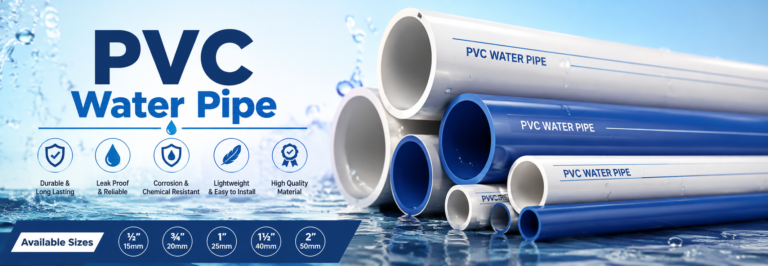
UPVC stands for Unplasticized Polyvinyl Chloride. Unlike regular PVC, UPVC does not contain plasticizers, which makes it more rigid, more durable, and safer for carrying drinking water. UPVC pipe fittings are the connecting components used to join UPVC pipes at various angles, junctions, and endpoints.
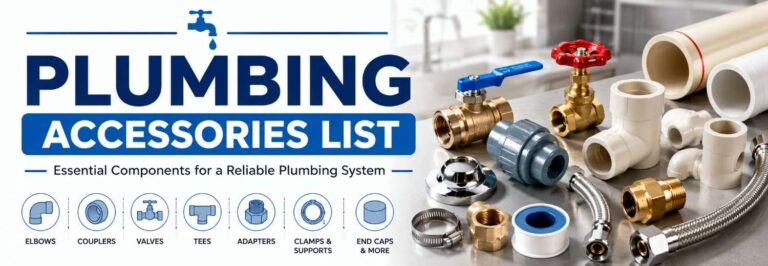
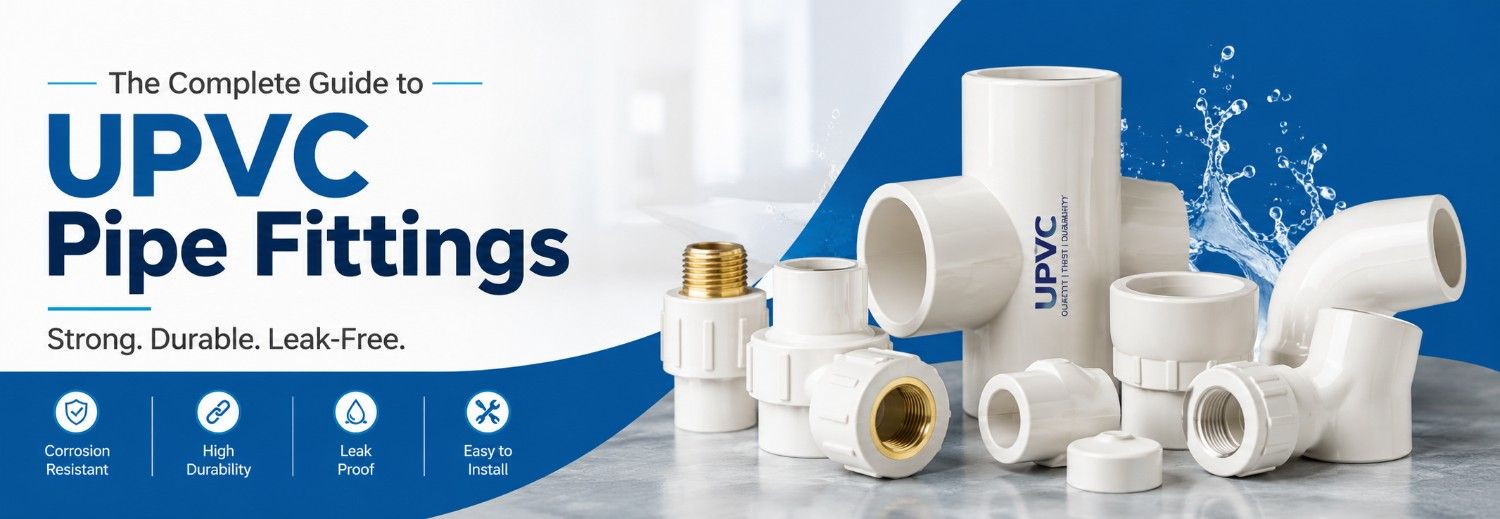
These fittings come in many shapes, including elbows, tees, couplers, unions, reducers, and end caps. Each one serves a specific purpose in a plumbing layout, whether it is changing the direction of a pipe, branching off into multiple lines, or sealing an open end.
Because UPVC does not corrode, rust, or react with most chemicals, it has become the go-to choice for residential, agricultural, and industrial plumbing across India.
UPVC Pipes and Fittings: Why They Work So Well Together
When people talk about UPVC pipes and fittings, they usually mean the entire system working as one unit. A pipe is only as good as the fittings that connect it, and vice versa. If either component is of poor quality, the whole system becomes prone to leaks, pressure drops, or even bursts.
Here is why UPVC pipes and fittings are such a reliable combination:
- They share the same material properties. Since both the pipes and fittings are made from UPVC, they expand and contract at the same rate with temperature changes. This reduces the risk of joint failure over time.
- They are lightweight yet strong. UPVC fittings are much lighter than metal alternatives like galvanized iron or copper, which makes installation faster and less labour intensive.
- They resist corrosion completely. Unlike metal pipes that rust over the years, UPVC does not corrode, even when exposed to moisture or mildly acidic water.
- They offer smooth internal surfaces. This reduces friction loss, which means better water flow and lower energy costs for pumping systems.
Common Types of UPVC Pipe Fittings
Understanding the different types of fittings will help you choose the right ones for your project. Here are some of the most commonly used UPVC pipe fittings in Indian households and industries.
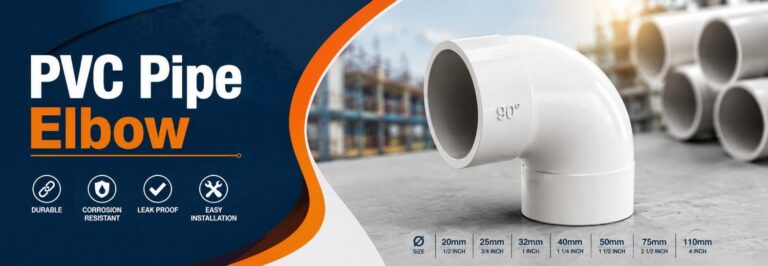
- Elbows: Used to change the direction of a pipeline, typically at 45 or 90 degree angles.
- Tees: These allow a single pipeline to branch off into two directions, commonly used in bathroom and kitchen plumbing.
- Couplers: Used to join two pipes of the same diameter in a straight line.
- Reducers: These connect pipes of different diameters, allowing water flow to transition smoothly between sizes.
- Unions: Unions make it easy to disconnect and reconnect pipe sections for maintenance without cutting the pipe.
- End Caps: These seal off the open end of a pipe when no further connection is needed.
- Adapters: Used to connect UPVC pipes with fittings made from other materials, such as CPVC or metal threads.
Each of these fittings is designed to handle specific pressure ratings, so it is important to match the fitting class with your pipe’s pressure requirements.
UPVC Pipe Fittings Manufacturers: What to Look For
With so many UPVC pipe fittings manufacturers in the market, choosing the right one can feel overwhelming. Here are a few things worth checking before you make a purchase decision.
- ISI certification: Always look for fittings that carry the ISI mark, which confirms the product meets Bureau of Indian Standards requirements.
- Material quality: Reputable UPVC pipe fittings manufacturers use virgin, high-grade UPVC resin rather than recycled or low-grade material, which affects both durability and safety.
- Pressure rating consistency: A trustworthy manufacturer will clearly mention the pressure class of each fitting, so you can match it correctly with your pipeline.
- Wide product range: Manufacturers who offer a complete range of pipes and fittings make it easier to source everything from a single, reliable supplier, reducing compatibility issues.
- After sales support: Good manufacturers stand behind their products with warranties and responsive customer service in case of defects.
Choosing fittings from an established manufacturer is not just about brand value. It directly affects the safety of your water supply and the lifespan of your plumbing system.
UPVC Pipe Full Form and Why It Matters
A lot of people search for the UPVC pipe full form without fully understanding why the distinction matters. UPVC stands for Unplasticized Polyvinyl Chloride, and the “unplasticized” part is the key difference.
Regular PVC contains plasticizers, which are chemical additives that make the material more flexible. Over time, these plasticizers can leach out, especially when exposed to heat or UV rays, which weakens the pipe and can potentially contaminate water.
UPVC, on the other hand, skips the plasticizers entirely. This keeps the material rigid, chemically stable, and much safer for transporting drinking water. That is why UPVC has become the preferred choice for potable water systems, while regular PVC is often used for non-drinking water applications like drainage.
Knowing the UPVC pipe full form and its meaning helps you make more informed decisions when comparing pipe materials for your home or project.
How to Choose the Right UPVC Pipe Fittings
Picking the correct fittings is not just about size. Here are a few practical tips to keep in mind.
Match the fitting’s pressure class to your pipe’s rating, since using a lower rated fitting on a high pressure line can cause leaks or bursts. Check the diameter carefully, as even a slight mismatch can lead to loose joints. Buy from a single manufacturer wherever possible, since pipes and fittings from the same brand are engineered to fit together precisely. Inspect for surface defects like cracks, discoloration, or rough edges before installation, as these can indicate poor manufacturing quality.
Installation Tips for Long Lasting Performance
Even the best UPVC pipe fittings will fail early if installed incorrectly. Always clean the pipe ends before applying solvent cement, since dust or moisture can weaken the bond. Apply the cement evenly around the pipe and fitting, then twist slightly while joining to ensure full contact. Allow enough curing time before pressurizing the system, typically 24 hours for a strong joint. Avoid over-tightening threaded fittings, as this can crack the UPVC material.
Following these basic steps can significantly extend the life of your plumbing system and reduce the chances of future repairs.
Conclusion
UPVC pipe fittings play a bigger role in your plumbing system than most people realize. From connecting straight runs to managing directional changes, these small components are what hold an entire water supply network together. By understanding the different types of fittings, choosing a reliable manufacturer, and following proper installation practices, you can build a plumbing system that lasts for decades with minimal maintenance.
Whether you are a homeowner planning a renovation or a plumber sourcing materials for a project, investing in quality UPVC pipes and fittings is always a decision worth making.
FAQs
1. What is the difference between PVC and UPVC pipe fittings?
PVC fittings contain plasticizers that make them more flexible, while UPVC fittings are rigid and free of these additives. This makes UPVC safer and more durable for carrying drinking water.
2. Are UPVC pipe fittings safe for drinking water?
Yes, UPVC pipe fittings are considered safe for potable water systems because they do not leach harmful chemicals and resist corrosion over time.
3. How long do UPVC pipe fittings last?
When installed correctly and sourced from a reliable manufacturer, UPVC pipe fittings can last 25 to 50 years without significant wear.
4. Can UPVC pipe fittings be used for hot water lines?
UPVC fittings are generally suited for cold water applications. For hot water lines, CPVC fittings are the better choice since they can handle higher temperatures.
5. What sizes are available in UPVC pipe fittings?
UPVC pipe fittings are available in a wide range of sizes, typically from 20mm to 315mm, to match different pipe diameters used in residential and industrial plumbing.