Plumbing and Pipe Fitting: A Complete Guide to Systems, Materials & Services
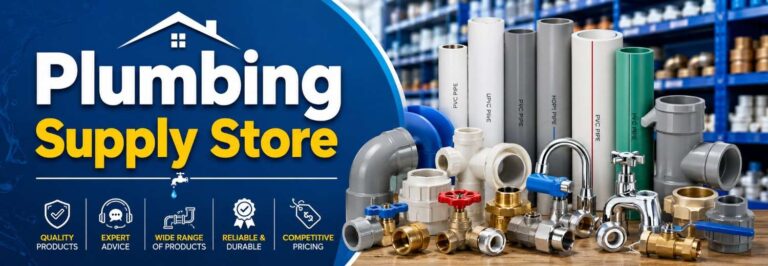
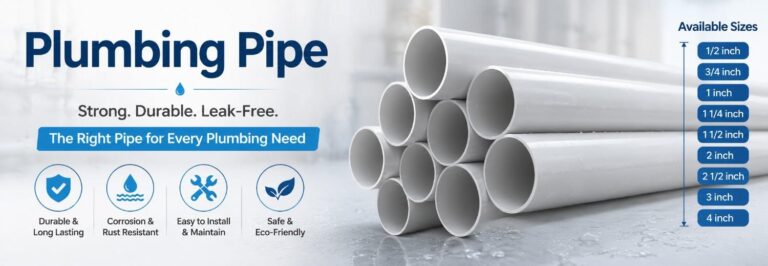
Pipe fittings play a crucial role in any plumbing or piping system. Whether it’s a residential water supply, commercial plumbing setup, or large-scale industrial pipeline, pipe fittings types are essential for connecting, controlling, and directing the flow of fluids. Without the right fittings, even the highest-quality pipes cannot function effectively.
In this comprehensive guide, we will explore the different types of pipe fittings and their uses, their materials, applications, and how to choose the right ones for your project. This article also covers essential details about plumbing pipe fittings and water pipe fittings to help you make informed decisions.
What Are Pipe Fittings?
Pipe fittings are components used to connect pipes, change the direction of flow, adjust pipe size, or regulate fluid movement in a piping system. They are available in various shapes, sizes, and materials depending on the application.
In plumbing systems, fittings ensure a leak-proof connection and smooth water distribution. In industrial setups, they help manage high-pressure and high-temperature fluid flow efficiently.
Main Categories of Pipe Fittings Types
Pipe fittings can be broadly categorized into the following groups:
- Elbows
- Tees
- Reducers
- Couplings
- Unions
- Caps and Plugs
- Cross Fittings
- Adapters
- Nipples
- Valves
Let’s explore each type in detail.
1. Elbow Fittings
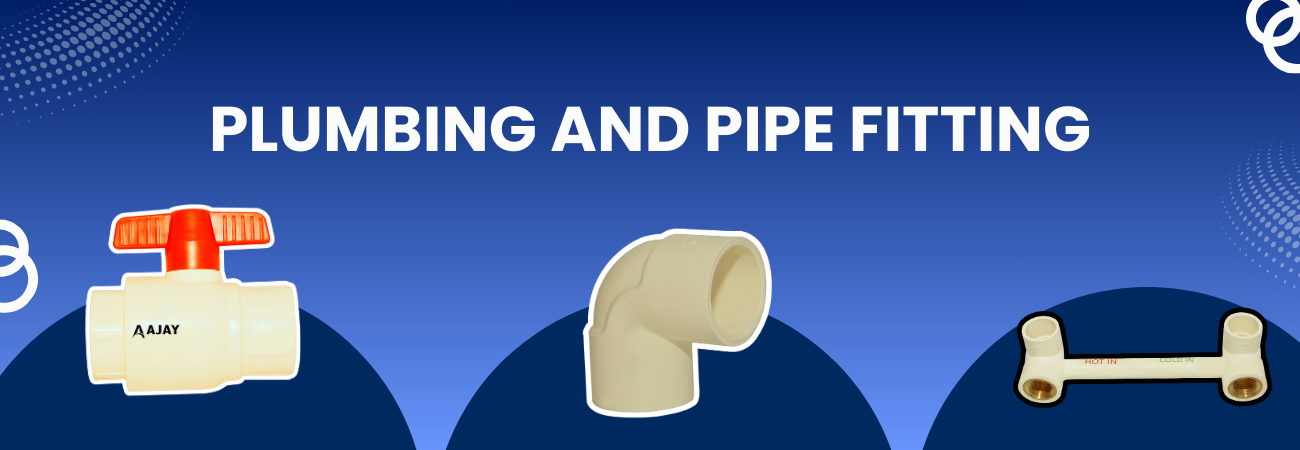
Elbows are among the most common water pipe fittings used to change the direction of flow in a piping system.
Types of Elbows:
- 90-degree elbow
- 45-degree elbow
- 22.5-degree elbow
- Long radius elbow
- Short radius elbow
Uses:
- Changing pipe direction
- Avoiding obstacles in plumbing systems
- Redirecting water flow efficiently
Elbows are widely used in residential and commercial plumbing pipe fittings systems.
2. Tee Fittings
Tee fittings are T-shaped connectors that allow fluid to flow in three directions.
Types:
- Equal tee
- Reducing tee
Uses:
- Dividing water flow into two directions
- Connecting branch lines to the main pipeline
- Used extensively in household plumbing systems
Tee fittings are essential in water supply lines and irrigation systems.
3. Reducer Fittings
Types:
- Concentric reducer
- Eccentric reducer
Uses:
- Connecting large pipes to smaller pipes
- Maintaining flow control
- Used in pump and industrial piping systems
Reducers help manage pressure and ensure smooth transitions in pipe sizes.
4. Couplings
Couplings are simple fittings used to connect two pipes together.
Types:
- Full coupling
- Half coupling
- Compression coupling
Uses:
- Extending pipe length
- Repairing broken pipelines
- Joining similar diameter pipes
Couplings are commonly used in both residential and industrial pipe fittings types.
5. Union Fittings
Unions are similar to couplings but allow easy disconnection without cutting the pipe.
Uses:
- Maintenance-friendly installations
- Frequently serviced pipelines
- Plumbing systems requiring easy removal
Unions are highly preferred in water heaters and pump installations.
6. Cap and Plug Fittings
Caps and plugs are used to stop the flow in a pipeline.
Uses:
- Sealing pipe ends
- Closing unused pipeline sections
- Pressure testing systems
Caps cover the pipe externally, while plugs fit inside the pipe.
7. Cross Fittings
Cross fittings have four openings in four directions.
Uses:
- Connecting four pipes
- Complex plumbing networks
- Fire sprinkler systems
Although less common, cross fittings are useful in specific plumbing layouts.
8. Adapter Fittings
Adapters are used to connect pipes of different types or threading styles.
Types:
- Male adapter
- Female adapter
Uses:
- Transitioning between PVC and metal pipes
- Connecting threaded and non-threaded pipes
Adapters play a vital role in modern plumbing pipe fittings systems.
9. Nipple Fittings
Uses:
- Connecting two fittings
- Extending pipe connections
- Used in water and gas pipelines
They are commonly seen in water heaters and industrial systems.
10. Valves
Though technically flow-control devices, valves are often categorized under pipe fittings types.
Types:
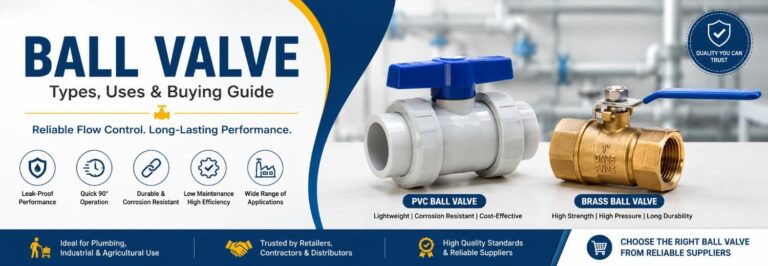
- Ball valve
- Gate valve
- Check valve
- Butterfly valve
Uses:
- Controlling water flow
- Preventing backflow
- Regulating pressure
Valves are essential in all water pipe systems.
Materials Used in Pipe Fittings
Different materials are used depending on application and pressure requirements:
1. PVC (Polyvinyl Chloride)
- Lightweight
- Corrosion-resistant
- Ideal for water pipe fittings
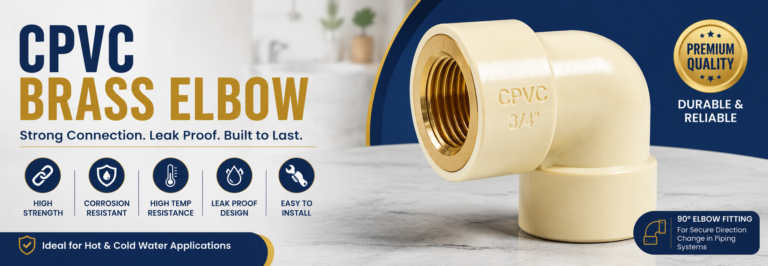
2. CPVC (Chlorinated PVC)
- Handles hot water
- Durable and chemical-resistant
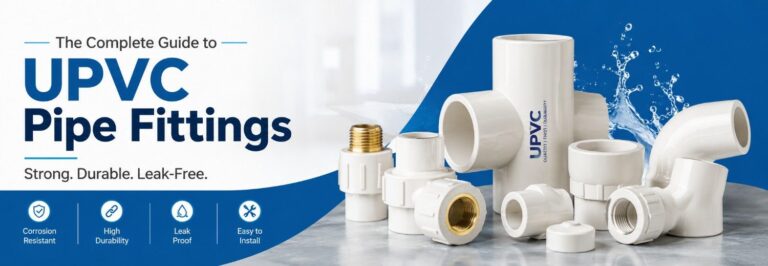
3. UPVC
- Rigid and strong
- Used in plumbing and drainage
4. Brass
- Long-lasting
- Used in premium plumbing installations
5. Stainless Steel
- High strength
- Suitable for industrial and high-pressure systems
Applications of Pipe Fittings
1. Residential Plumbing
Used in kitchens, bathrooms, and water supply systems.
2. Commercial Buildings
Hotels, malls, hospitals use advanced plumbing pipe fittings.
3. Industrial Use
Oil, gas, and chemical industries rely on durable fittings.
4. Agriculture
Irrigation systems use specialized water pipe fittings.
5. Fire Protection Systems
Require strong and pressure-resistant fittings.
How to Choose the Right Pipe Fittings
Selecting the correct fitting depends on:
- Pipe material
- Pressure rating
- Temperature range
- Fluid type
- Installation method
- Budget
Always ensure compatibility between pipe and fitting material to avoid leaks and failures.
Importance of Quality Pipe Fittings
Using high-quality fittings ensures:
- Leak-proof systems
- Longer lifespan
- Better pressure management
- Reduced maintenance costs
- Improved safety
Poor-quality fittings can lead to frequent breakdowns and water leakage issues.
Latest Trends in Pipe Fittings Industry
- Push-fit fittings for quick installation
- Eco-friendly PVC materials
- Corrosion-resistant coatings
- Smart valves with automated control
- High-pressure industrial-grade fittings
The plumbing industry is constantly evolving with advanced pipe fittings types designed for efficiency and durability.
Conclusion
Understanding the different types of pipe fittings and their uses is essential for building a reliable plumbing system. From elbows and tees to reducers and valves, each fitting serves a specific purpose in directing and controlling fluid flow.
Whether you are working on residential plumbing, industrial pipelines, or agricultural irrigation, choosing the right plumbing pipe fittings ensures long-term performance and safety. With proper selection and installation, high-quality water pipe fittings can significantly enhance system efficiency and durability.
FAQs
1. What are the most common pipe fittings types used in homes?
The most common pipe fittings types used in residential plumbing include elbows, tees, couplings, reducers, and valves. These fittings help in directing and controlling water flow efficiently.
2. Which material is best for water pipe fittings?
PVC and CPVC are widely used for water pipe fittings due to their corrosion resistance, durability, and affordability. Brass fittings are also popular for long-lasting performance.
3. What is the difference between a coupling and a union?
A coupling permanently connects two pipes, while a union allows easy disconnection for maintenance without cutting the pipe.
4. Why are reducers used in plumbing systems?
Reducers are used to connect pipes of different diameters, helping maintain proper pressure and flow within the system.
5. How do I choose the right plumbing pipe fittings?
Choose fittings based on pipe material, pressure rating, temperature requirements, and the type of fluid being transported. Always ensure compatibility and quality standards.