What Is a PVC End Cap? Uses, Types, Benefits & Buying Guide
Introduction
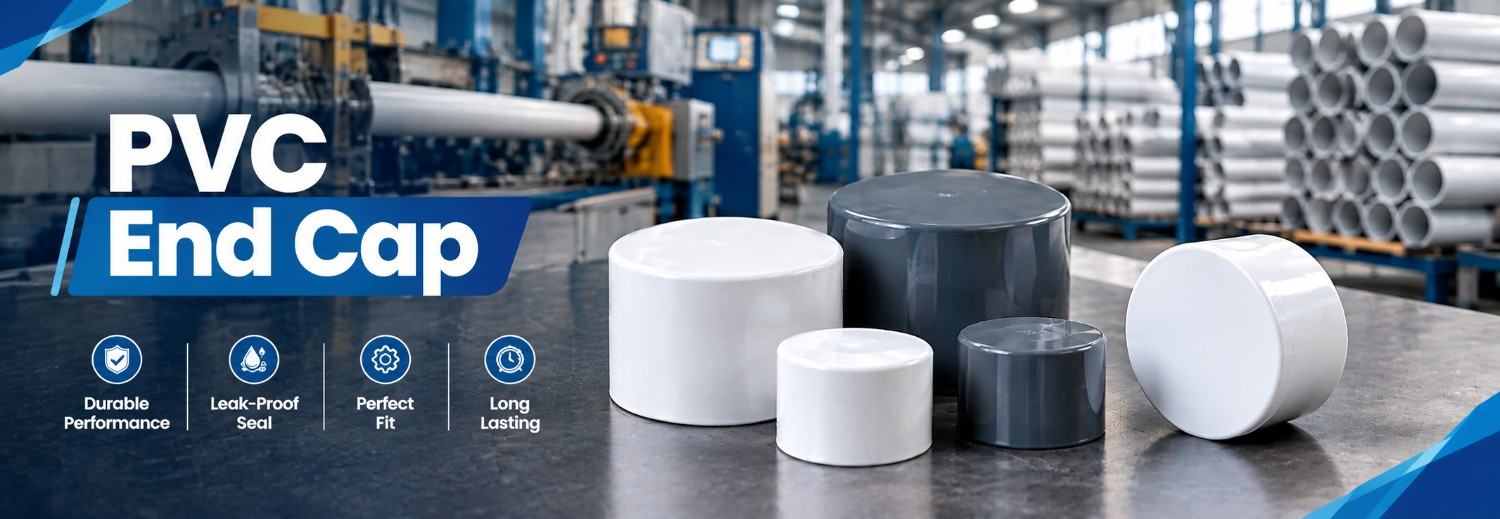
A PVC End Cap is a small but important fitting used to close the open end of a PVC pipe. It helps prevent water, dust, debris, insects, and other unwanted materials from entering the piping system. Although an end cap may look simple, choosing the right size and type can make a noticeable difference to the performance and maintenance of a plumbing installation.
From residential plumbing and irrigation systems to drainage and industrial applications, PVC end caps are available in different sizes, designs, and connection styles. A suitable end cap provides a secure closure while making the piping system easier to maintain or modify later.
If you are planning a new plumbing installation or replacing an existing fitting, understanding the purpose, types, applications, and selection criteria of a PVC End Cap can help you make a more informed choice.
What Is a PVC End Cap?
A PVC end cap is a fitting designed to seal the open end of a PVC pipe. It is generally manufactured from polyvinyl chloride (PVC), a widely used thermoplastic material known for its durability, corrosion resistance, and relatively low maintenance requirements.
The cap is fitted over or into the end of a compatible pipe, depending on its design. Some end caps are solvent-welded to create a permanent connection, while others may use threads for a removable connection.
For example, a pvc pipe end cap can be used when a pipe run needs to be terminated. It can also be useful when a section of a plumbing system needs to be closed temporarily for testing, maintenance, or future expansion.
Why Is a PVC End Cap Important?
An open pipe can create several problems. Dirt and debris can accumulate inside it, while insects or small animals may enter exposed sections. In water-related applications, an unprotected pipe opening can also contribute to contamination.
A properly selected PVC End Cap helps create a clean and secure termination point.
Here are some common reasons for using one:
- Seals unused pipe openings
- Helps keep dust and debris out
- Protects the internal pipe surface
- Supports cleaner plumbing installations
- Can simplify maintenance
- Allows certain pipe sections to be closed for future use
- Provides a neat finishing point
The right cap should always match the pipe’s dimensions and connection requirements.
What Are the Different Types of PVC End Caps?
PVC end caps come in several configurations. The best option depends on the pipe size, installation method, and whether the connection needs to be permanent or removable.
1. Plain PVC End Cap
A plain end cap is one of the most commonly used options. It is designed to fit over the end of a compatible PVC pipe and is often joined using a suitable solvent cement.
This type is useful for permanent pipe closures in many plumbing, drainage, and water-management applications.
2. PVC Threaded End Cap
A pvc threaded end cap has internal or external threads, depending on its design. Threaded connections are particularly useful when the fitting may need to be removed in the future.
For example, a threaded cap can be convenient around inspection points, equipment connections, or sections that may require periodic maintenance.
Before installation, check whether the threads are compatible and use an appropriate sealing method where required.
3. PVC Pipe End Cap for Different Sizes
PVC pipes are available in multiple dimensions, so end caps are also manufactured in different sizes. The correct fitting should correspond to the actual pipe size and connection type.
A mismatch can lead to leakage, an insecure connection, or installation difficulties.
What Is a 4 Inch PVC End Cap Used For?
A 4 inch PVC end cap is commonly selected for larger-diameter pipe applications where a 4-inch pipe requires a closed termination.
Depending on the piping system, it may be used in drainage, wastewater, irrigation, or other plumbing-related installations.
However, the term “4 inch” should not be treated as a substitute for checking actual dimensions. Different piping standards and product specifications can affect compatibility. Always verify the manufacturer’s size specifications before purchasing.
Where Are PVC End Caps Used?
The versatility of PVC makes end caps useful across a wide range of applications.
Residential Plumbing
In homes, end caps can be used to close unused plumbing lines or terminate sections of a pipe network. They can be especially useful during renovations when a plumbing connection is no longer required.
Drainage Systems
PVC end caps are frequently used to terminate drainage pipe sections. A secure closure can help prevent unwanted material from entering the pipe.
Irrigation
Irrigation systems often contain multiple pipe branches. An end cap can close the end of a branch and help direct the system’s layout according to the installation design.
Construction Projects
During construction or renovation, some pipe sections may be installed for future expansion. End caps can temporarily close these openings until the next stage of the project.
Industrial Applications
PVC piping is also used in various industrial environments. Depending on the chemical, pressure, temperature, and application requirements, appropriately specified PVC fittings can be used to terminate pipe sections.
What Are the Benefits of PVC End Caps?
Choosing a good-quality PVC End Cap offers several practical benefits.
Corrosion Resistance
PVC does not rust like conventional metal materials. This makes PVC fittings useful in environments where moisture exposure is common.
Lightweight Construction
PVC fittings are generally lightweight, making transportation and handling easier during installation.
Low Maintenance
Once correctly installed and used within the recommended application limits, PVC end caps generally require little routine maintenance.
Easy Installation
Many PVC end caps can be installed relatively easily using compatible joining methods. This can help save installation time when the correct tools and materials are used.
Clean Finish
An end cap provides a finished appearance to the end of a pipe instead of leaving an exposed opening.
How to Choose the Right PVC End Cap?
Choosing the right fitting is more than simply selecting a cap that appears to fit.
Check the Pipe Size
First, identify the pipe’s size and specification. If you need a pvc pipe end cap, confirm that the cap is designed for your specific pipe.
Consider the Connection Type
Decide whether you need a solvent-welded, push-fit, or threaded connection. A permanent installation may require a different design from a connection that needs regular access.
Check Application Requirements
Consider whether the cap will be used for water supply, drainage, irrigation, or another application. Temperature, pressure, chemical exposure, and environmental conditions can influence material and fitting selection.
Look at Product Quality
A fitting is a small part of the overall plumbing system, but its quality still matters. Look for accurate dimensions, a clean finish, consistent manufacturing, and reliable product specifications.
Follow Manufacturer Recommendations
Always follow the manufacturer’s instructions regarding installation, solvent cement, pressure ratings, compatibility, and operating conditions.
How to Install a PVC End Cap?
Installation depends on the type of end cap.
For a solvent-welded cap, the pipe and fitting should first be checked for correct compatibility. The surfaces are cleaned, the appropriate PVC solvent cement is applied according to its instructions, and the fitting is positioned correctly.
For a threaded design, the threads should be inspected before assembly. Use an appropriate thread-sealing method if specified for the application, and avoid excessive tightening that could damage the fitting.
The exact installation procedure should always follow the product manufacturer’s recommendations.
Common Mistakes to Avoid
Even a simple fitting can cause problems if installed incorrectly. Some common mistakes include:
- Choosing the wrong pipe size
- Mixing incompatible connection types
- Using unsuitable solvent cement
- Failing to clean surfaces before solvent welding
- Over-tightening threaded fittings
- Ignoring pressure or temperature limitations
- Using a plumbing fitting outside its intended application
- Not checking manufacturer specifications
Taking a few minutes to verify compatibility before installation can prevent unnecessary repairs later.
PVC End Cap vs. PVC Plug: What’s the Difference?
PVC end caps and plugs both close pipe openings, but their designs are different.
An end cap generally fits over the outside of a pipe, whereas a plug is commonly designed to fit inside a fitting or pipe opening, depending on the specific product.
The correct choice depends on the pipe and connection configuration. Checking product dimensions and specifications is the safest way to determine which fitting you need.
Why Choose the Right PVC End Cap?
A plumbing system works as a connected network. Even a small fitting can affect the reliability of the overall installation. A properly selected PVC End Cap helps create a secure termination, protects open pipe sections, and supports a cleaner and more organized installation.
Whether you need a standard cap, a 4 inch PVC end cap, or a pvc threaded end cap, focus on compatibility rather than choosing solely on price.
A reliable fitting should be selected according to the pipe dimensions, application, connection method, and manufacturer’s recommendations.
Conclusion
A PVC End Cap is a simple yet useful component for closing and protecting PVC pipe ends. Its applications range from household plumbing and drainage to irrigation and construction projects.
Understanding the available types, sizes, connection methods, and installation requirements makes it easier to select the right product for your project. Always verify pipe compatibility and follow recommended installation practices rather than relying on appearance alone.
Looking for more practical information about plumbing fittings, pipe components, and installation solutions? Visit PlumbingAdvisorIndia for expert-focused plumbing guides, product information, and useful advice to help you make better plumbing decisions.
FAQs
A PVC End Cap is used to close the open end of a PVC pipe. It helps prevent dust, debris, insects, and unwanted materials from entering the pipe while providing a neat termination.
A PVC pipe end cap is a fitting designed to close a PVC pipe end. Depending on its design, it may be solvent-welded, threaded, or connected using another suitable joining method.
A 4 inch PVC end cap can be used to close compatible 4-inch pipe sections in applications such as drainage, irrigation, wastewater, and certain plumbing installations. Always verify the manufacturer’s dimensions before installation.
A PVC threaded end cap is designed with threads that allow it to connect to a compatible threaded pipe or fitting. It can be useful where the connection may need to be removed for maintenance or inspection.
Choose an end cap based on the pipe’s size, specification, connection type, and intended application. Also check pressure, temperature, material compatibility, and manufacturer recommendations before installation.