What Is a CPVC Ball Valve? Your Complete Guide to Price, Manufacturers & True Union Options
Introduction
If you’ve ever stood in a plumbing supply store staring at a wall of valves, wondering which one actually fits your piping system, you’re not alone. Most homeowners and even seasoned contractors get tripped up by the sheer variety of valve types on the market. One name that keeps coming up, especially in hot and cold water plumbing, chemical processing lines, and industrial piping, is the CPVC ball valve.
So what exactly is a CPVC ball valve, why has it become such a go-to component, and how do you pick the right one without overspending or under-speccing your system? Let’s break it down in plain language.
What Is a CPVC Ball Valve?
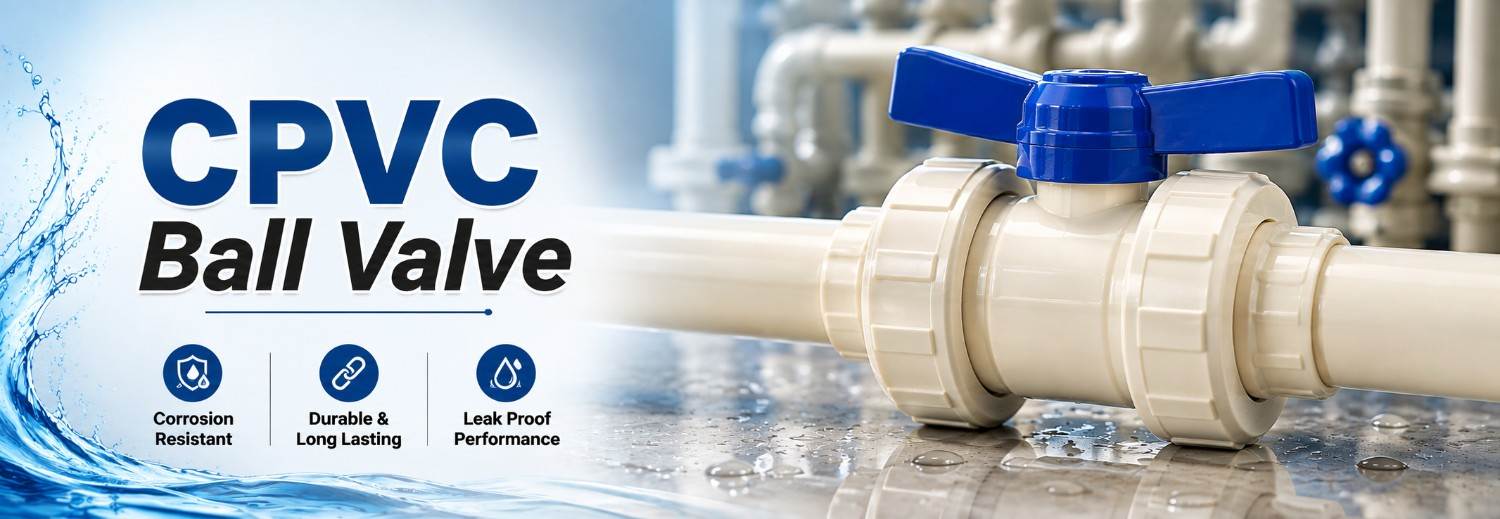
A CPVC ball valve is a flow-control device made from Chlorinated Polyvinyl Chloride, a thermoplastic material engineered to handle higher temperatures and pressures than standard PVC. Inside the valve body sits a hollow, perforated ball that rotates a quarter turn to open or close the flow path. When the hole in the ball lines up with the pipe, water or fluid flows freely. Turn the handle 90 degrees, and the solid part of the ball blocks the passage completely.
What makes CPVC the material of choice here isn’t just its heat tolerance. It also resists corrosion, chemical degradation, and scaling far better than metal alternatives like brass or bronze. That’s why you’ll find CPVC ball valves so widely used in residential hot water lines, fire sprinkler systems, and industrial setups where aggressive chemicals would eat through metal fittings over time.
Why Are CPVC Ball Valves So Widely Used?
There’s a reason plumbers and engineers keep reaching for these valves project after project. A few practical advantages stand out:
Heat and pressure resistance. Unlike regular PVC, which can soften or warp under hot water exposure, CPVC comfortably handles temperatures up to around 200°F (93°C), making it ideal for domestic hot water systems.
Corrosion-proof performance. Metal valves eventually rust, pit, or scale up, especially in areas with hard water. CPVC simply doesn’t corrode, which means fewer leaks and a longer service life.
Lightweight and easy to install. Compared to brass or stainless steel valves, CPVC is significantly lighter, which reduces strain on pipe joints and makes handling during installation much easier.
Cost efficiency. Material and labor costs both drop when you’re working with plastic components instead of machined metal, which brings us to the next big question people ask.
What Determines CPVC Ball Valve Price?
If you’ve searched around for CPVC ball valve price, you’ve probably noticed the numbers vary quite a bit. That’s because pricing depends on several factors, not just a flat per-piece rate.
Valve size. A half-inch valve for a residential bathroom line will cost far less than a 4-inch valve used in a commercial or industrial pipeline.
Pressure rating. Valves rated for higher PSI generally use thicker walls and reinforced components, which pushes the price up.
True union vs standard design. True union valves, which we’ll get into shortly, tend to cost more upfront because of their added flexibility and the extra union nuts and seals involved.
Brand and build quality. A valve from an established, quality-certified manufacturer will typically cost more than a generic off-brand version, but it usually pays off in fewer replacements and warranty support.
Bulk purchasing. Contractors and builders ordering in volume for large projects often negotiate significantly better rates per unit than someone buying a single valve for a home repair.
As a general guide, small residential-grade CPVC ball valves can start at a modest price point, while larger, high-pressure, or true union variants climb considerably higher. It’s always worth getting a direct quote based on your exact specifications rather than relying on a rough average, since regional pricing and raw material costs shift regularly.
Where Should You Buy From? Choosing the Right CPVC Ball Valve Manufacturer
Not all valves are created equal, and this is where picking the right CPVC ball valve manufacturer really matters. A poorly manufactured valve, even if it looks identical on the shelf, can fail prematurely, leak under pressure, or simply not meet the flow ratings promised on the label.
When evaluating a manufacturer, keep an eye on a few things:
- Certifications and standards compliance. Look for valves tested against recognized standards for pressure rating, material composition, and chemical resistance.
- Consistent wall thickness and ball smoothness. These directly affect how well the valve seals and how long it lasts under repeated use.
- Warranty and after-sales support. A manufacturer confident in their product will typically back it with a solid warranty period.
- Track record in the industry. Manufacturers who’ve been supplying plumbing and industrial sectors for years generally have more refined quality control processes.
It’s tempting to go with whichever option shows up cheapest in a search, but a valve is a long-term investment in your piping system’s reliability. A slightly higher upfront cost from a reputable manufacturer often saves you far more in avoided repairs, water damage, and downtime later on.
Which One Should You Choose: Standard vs CPVC True Union Ball Valve?
This is one of the most common points of confusion, so let’s clear it up.
A standard CPVC ball valve is permanently solvent-welded or threaded into the pipeline. That’s fine for many applications, but it creates a real headache if the valve ever needs servicing or replacement, because you’d have to cut into the pipe to remove it.
A CPVC true union ball valve solves this exact problem. It comes with union nuts on both ends of the valve body, allowing you to disconnect the valve from the pipeline without cutting or disturbing the surrounding pipework. This makes maintenance, repairs, and future upgrades dramatically simpler.
If your installation is somewhere you’ll need occasional access, like a pump room, irrigation control point, or any system likely to need periodic servicing, a true union design is almost always worth the extra cost. For a one-and-done installation in a spot you’ll rarely touch again, a standard valve might suffice.
How to Choose the Right CPVC Ball Valve for Your Project
Before you buy, run through this quick mental checklist:
- Confirm your pipe size and match the valve accordingly. A mismatched valve size leads to reduced flow efficiency and potential leaks at the joint.
- Check the pressure and temperature rating against your system’s actual operating conditions, not just the average.
- Decide if you need a true union design based on how often the valve might require servicing.
- Verify the manufacturer’s quality certifications rather than relying purely on price.
- Factor in installation method, whether it’s solvent weld, threaded, or flanged, based on your existing pipeline setup.
Getting this right the first time saves you from costly rework and premature valve failure down the line.
Conclusion
A CPVC ball valve might seem like a small, unremarkable part of a much bigger plumbing or industrial system, but it plays a critical role in controlling flow safely and reliably. Understanding what drives CPVC ball valve price, knowing how to vet a CPVC ball valve manufacturer, and recognizing when a CPVC true union ball valve makes more sense than a standard one puts you in a much stronger position to make a smart, lasting purchase.
Whether you’re a homeowner tackling a repair or a contractor sourcing for a large project, taking the time to choose the right valve pays off in fewer leaks, less maintenance, and a system that simply works the way it should.
Need expert guidance on selecting or sourcing the right CPVC ball valve for your project? Visit PlumbingAdvisorIndia today for trusted recommendations, pricing insights, and manufacturer guidance tailored to your exact plumbing needs. Get in touch with our team and make your next plumbing decision a confident one.
FAQs
1. What is the average CPVC ball valve price in India?
Prices vary based on size, pressure rating, and design, with small residential valves being budget-friendly and larger or true union variants costing more. It’s best to request a quote based on your specific requirements for an accurate figure.
2. How do I identify a reliable CPVC ball valve manufacturer?
Look for industry certifications, consistent product quality, positive track record, and solid warranty support rather than choosing based on price alone.
3. What is the difference between a standard and a CPVC true union ball valve?
A standard valve is permanently fixed into the pipeline, while a true union valve has disconnect nuts that allow removal for servicing without cutting the pipe.
4. Can CPVC ball valves handle hot water systems?
Yes, CPVC ball valves are specifically designed to withstand higher temperatures, typically up to around 200°F (93°C), making them well-suited for hot water plumbing.
5. How long do CPVC ball valves typically last?
With proper installation and normal operating conditions, quality CPVC ball valves can last for many years, often outperforming metal valves in corrosion resistance and durability.