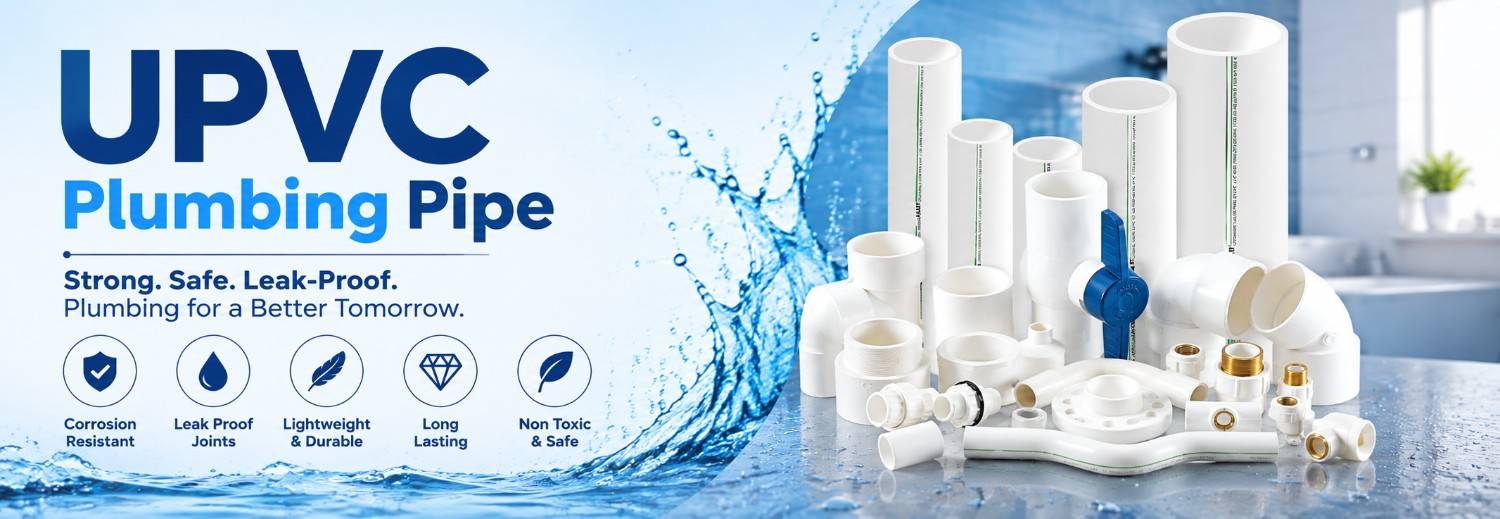
Why UPVC Plumbing Pipe Is Quietly Becoming Every Homeowner’s First Choice
Introduction
Introduction
If you’ve ever stood in a hardware store staring at rows of pipes, wondering which one will actually survive your home’s plumbing for the next few decades, you’re not alone. Pipes aren’t glamorous. Nobody plans a housewarming party around them. But get the choice wrong, and you’ll be dealing with leaks, corrosion, and repair bills that show up right when you least expect them.
That’s exactly why so many homeowners, contractors, and builders across India have quietly shifted toward one material: UPVC Plumbing Pipe. It’s not a trend. It’s a practical response to decades of problems with older piping systems like GI and cast iron.
Let’s break down why this shift is happening, what makes UPVC pipes different, and how you can choose the right one without getting lost in technical jargon.
What Exactly Is a UPVC Plumbing Pipe?
UPVC stands for Unplasticized Polyvinyl Chloride. Unlike regular PVC, it doesn’t contain plasticizers, which makes it more rigid, more chemically stable, and far better suited for carrying water without leaching harmful substances over time.
In simple terms, a plumbing UPVC pipe is built to last. It doesn’t rust like metal pipes, it doesn’t degrade under UV exposure the way cheaper plastics do, and it holds up well under both high and low water pressure. That combination is rare, and it’s the main reason UPVC has become the default choice for residential and commercial water supply lines.
Why Homeowners Are Moving Away from Traditional Pipes
For years, GI (galvanized iron) pipes were the standard. They worked, but they came with a expiry date built in. Over time, the zinc coating wears off, rust sets in, and water quality suffers long before anyone notices a visible leak. Replacing an entire plumbing line because of internal corrosion is expensive and disruptive.
UPVC solves this at the root. Since it’s a plastic-based material, there’s no metal to corrode. No rust particles ending up in your drinking water. No gradual narrowing of pipe diameter due to scale buildup, which is a common issue with older metal systems.
There’s also the labor angle. Metal pipes need threading, welding, and heavy tools. UPVC pipes are lightweight and use a solvent cement joining process that’s faster, cleaner, and requires far less manpower. For contractors working on tight deadlines, that difference matters.
The Real Benefits of UPVC Plumbing Pipes and Fittings
When people research UPVC plumbing pipes and fittings, they’re usually trying to answer one question: is this actually worth the switch? Here’s what tends to convince them.
Corrosion resistance that actually holds up. Since UPVC doesn’t react with water or most common chemicals, it maintains its structural integrity for 25 to 50 years depending on usage and installation quality.
Smooth internal surface. This isn’t just a manufacturing detail. A smoother bore means less friction, which means better water flow and pressure over the pipe’s lifetime. Metal pipes lose efficiency as they age; UPVC largely doesn’t.
Lightweight yet strong. A UPVC pipe weighs a fraction of what an equivalent metal pipe weighs, but it doesn’t sacrifice pressure tolerance. This makes transportation, handling, and installation noticeably easier on-site.
Cost efficiency over time. The upfront cost is often comparable to or lower than metal alternatives, but the real savings show up over the years in reduced maintenance, fewer replacements, and lower labor costs during installation.
Fire and chemical resistance. UPVC pipes are self-extinguishing and resistant to a wide range of acids, alkalis, and salts, which makes them suitable for both residential plumbing and certain industrial applications.
Fitting compatibility. A well-matched set of fittings, elbows, tees, couplers, and unions, ensures leak-proof joints. This is why buying pipes and fittings from the same trusted source matters more than people initially assume.
How to Choose the Right UPVC Pipe for Your Project
Not all UPVC pipes are made equal, and this is where a lot of buyers go wrong. Here’s a practical way to think about it.
Start with the pressure rating. Pipes are classified by schedule (like Schedule 40 or Schedule 80) or by pressure class, and choosing the wrong one for your water pressure needs can shorten the pipe’s life significantly.
Next, check the wall thickness. Thicker walls generally mean better pressure handling and durability, but they also mean higher material cost. Match this to your actual use case rather than defaulting to the thickest option available.
Then look at certification. Reputable pipes carry ISI markings and comply with IS 4985 standards in India. This single detail separates reliable products from cheaper, non-compliant alternatives that may fail prematurely.
Finally, think about where you’re sourcing from. Working with established UPVC plumbing pipes manufacturers ensures consistent quality, proper testing, and support if something goes wrong down the line. A pipe is only as reliable as the company standing behind it.
Installation Tips That Actually Make a Difference
Even the best pipe can underperform if it’s installed poorly. A few things worth keeping in mind:
Always use the correct solvent cement recommended for UPVC, and allow proper curing time before pressurizing the system. Rushing this step is one of the most common causes of early joint failure.
Avoid exposing UPVC pipes to direct, prolonged sunlight during storage before installation, since extended UV exposure before use can affect long-term performance, even though installed pipes handle moderate exposure well.
Support horizontal pipe runs at regular intervals to prevent sagging over time, especially in longer installations.
And don’t skip pressure testing after installation. It’s a small step that catches problems before they become expensive ones.
Where UPVC Pipes Are Commonly Used
UPVC isn’t limited to a single application. You’ll find it in:
Residential water supply lines, both for cold and moderate-temperature water systems. Agricultural irrigation setups, where corrosion resistance and lightweight handling matter across long stretches of piping. Industrial applications involving chemical transport, given UPVC’s resistance to a wide range of substances. Commercial buildings, where long-term reliability reduces maintenance overhead across large systems.
This versatility is part of why demand for UPVC continues to grow steadily rather than spiking and fading like many construction trends do.
Making the Right Choice for Your Home or Project
At the end of the day, plumbing decisions aren’t something you want to revisit every few years. Choosing durable, well-manufactured UPVC Plumbing Pipe systems means fewer headaches, lower long-term costs, and water systems that simply work the way they’re supposed to.
If you’re planning a new build, a renovation, or need to source reliable pipes and fittings from trusted manufacturers, it helps to work with people who understand both the technical and practical side of plumbing. That’s exactly where Plumbing Advisor India comes in. Whether you need guidance on choosing the right pipe grade, sourcing from certified manufacturers, or getting your installation done right the first time, their team can walk you through it without the sales pitch. Reach out to Plumbing Advisor India today and get your plumbing project started on solid ground.
Conclusion
Pipes rarely get the credit they deserve, but they quietly determine how well your entire water system performs for decades. UPVC has earned its place as the go-to choice because it solves the exact problems that made older materials frustrating: corrosion, weight, poor flow, and short lifespans. Whether you’re a homeowner planning a renovation, a contractor sourcing materials for a new project, or someone simply trying to avoid another midnight leak, choosing certified, well-manufactured UPVC plumbing pipes and fittings is one of the simplest ways to protect your investment. Get the grade right, get the installation right, and you won’t have to think about your plumbing again for a very long time.
FAQs
1. What is the average lifespan of a UPVC plumbing pipe?
With proper installation, UPVC pipes typically last between 25 to 50 years, depending on water quality, pressure conditions, and exposure to sunlight during storage.
2. Is UPVC pipe safe for drinking water?
Yes. UPVC pipes that meet IS 4985 and ISI standards are considered safe for potable water since the material doesn’t leach harmful chemicals into water under normal usage conditions.
3. Can UPVC pipes handle hot water?
Standard UPVC pipes are designed for cold and moderately warm water. For hot water lines, CPVC pipes are generally recommended since they’re built to handle higher temperatures.
4. How do UPVC pipes compare to PVC pipes?
UPVC is more rigid and doesn’t contain plasticizers, making it stronger, more chemically resistant, and better suited for pressurized water systems compared to standard PVC.
5. How do I choose a reliable UPVC pipe manufacturer?
Look for ISI certification, IS 4985 compliance, consistent wall thickness, and a manufacturer with a verifiable track record. Working with established suppliers reduces the risk of premature pipe failure.