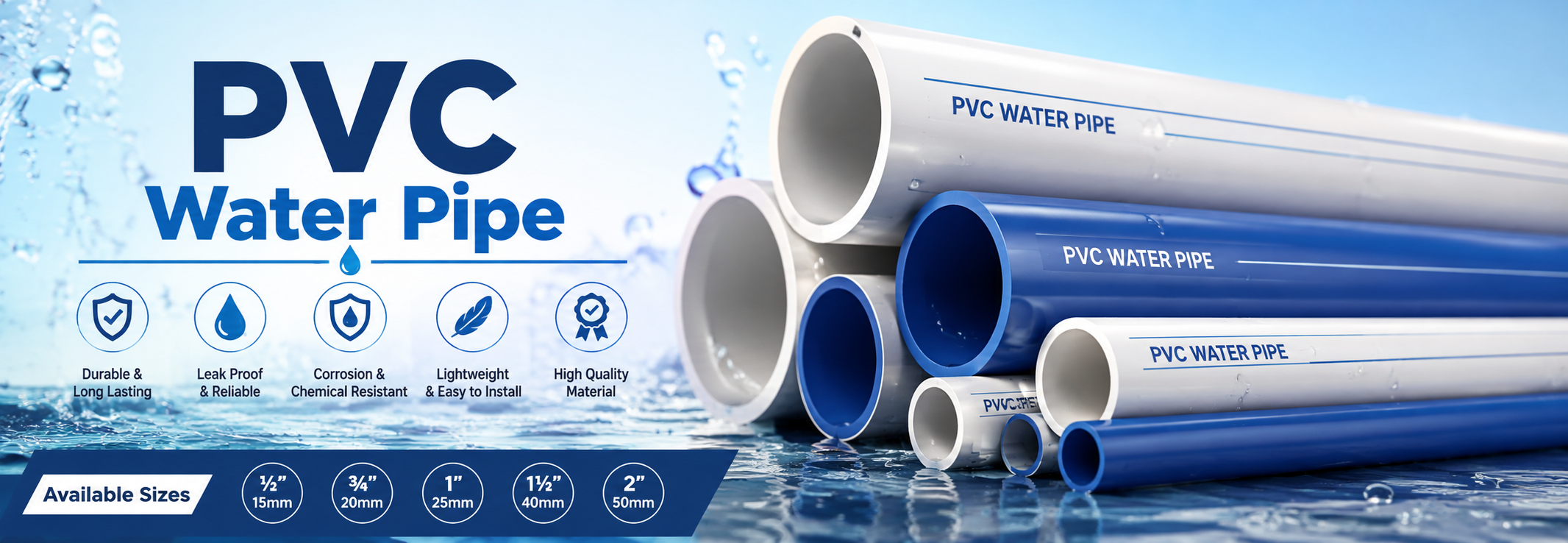
Why PVC Water Pipe Is the Smartest Choice for Your Home Plumbing
Introduction
Introduction
If you’ve ever stood in a hardware store staring at a wall of pipes, wondering which one actually belongs in your home, you’re not alone. Plumbing material choices feel confusing until you understand the basics and once you do, one option tends to stand out for most residential and commercial jobs: the PVC water pipe.
Polyvinyl chloride, or PVC, has quietly become the backbone of modern water systems. It’s not flashy, it doesn’t get much attention, but it’s doing the heavy lifting in millions of homes, apartment complexes, and commercial buildings every single day. In this guide, we’ll break down what makes PVC pipe worth choosing, where it fits best, and what to watch out for before you buy.
What Exactly Is a PVC Water Pipe?
PVC pipe is made from a rigid plastic polymer that’s lightweight, corrosion-resistant, and built to last for decades under normal conditions. Unlike metal pipes, PVC doesn’t rust, doesn’t corrode from the inside out, and doesn’t react with most chemicals found in typical water supplies. That’s a big reason it has replaced galvanized steel and, in many applications, even copper.
Homeowners and contractors both lean toward PVC because it strikes a rare balance: it’s affordable, easy to install, and reliable over the long haul. You don’t need specialized tools or years of training to work with it a bit of solvent cement, the right fittings, and some patience go a long way.
Why PVC Pipe for Water Supply Makes Sense
When it comes to bringing water into a building, the pipe you choose affects everything from water pressure to long-term maintenance costs. This is where PVC pipe for water supply really earns its reputation.
Here’s why so many plumbers default to it:
- Corrosion resistance — PVC won’t rust or degrade from mineral-heavy water, which is a common headache with older metal piping.
- Smooth interior walls — Because the inner surface is smooth, there’s less buildup over time, meaning better water flow and pressure consistency.
- Lightweight and easy to handle — A length of PVC pipe weighs a fraction of what an equivalent copper or iron pipe weighs, cutting down on labor and transport costs.
- Cost-effective — Material costs are noticeably lower than copper, and installation time is shorter too, which adds up to real savings on any plumbing project.
- Long service life — With proper installation, PVC pipes can last 50 years or more without significant degradation.
For underground water supply lines, PVC is often the go-to because it resists soil chemicals and doesn’t corrode from prolonged ground moisture exposure something that plagues older metal piping systems.
Which PVC Pipe for Hot Water Applications?
Here’s where things get a little more nuanced. Standard PVC pipe isn’t rated for hot water it can warp, weaken, or even fail under sustained high temperatures. So if you’re wondering whether PVC pipe for hot water is a thing, the answer is yes, but it’s a different product entirely.
CPVC (chlorinated polyvinyl chloride) is the variant designed specifically for hot water lines. It’s chemically treated to withstand higher temperatures typically up to around 200°F (93°C) making it suitable for both hot and cold water distribution in residential plumbing.
A few things to keep in mind:
- Never install standard PVC on a hot water line; it’s simply not built for that stress.
- CPVC pipes usually have a different color (often a cream or off-white shade) to distinguish them from regular PVC.
- Always check local plumbing codes before finalizing your material some regions have specific requirements for hot water piping.
Mixing up regular PVC with CPVC is one of the most common (and costly) mistakes in DIY plumbing. If you’re unsure which one your project needs, it’s always worth getting a second opinion from a professional before you start cutting pipe.
Where Plumbing PVC Pipe Fittings Come Into Play
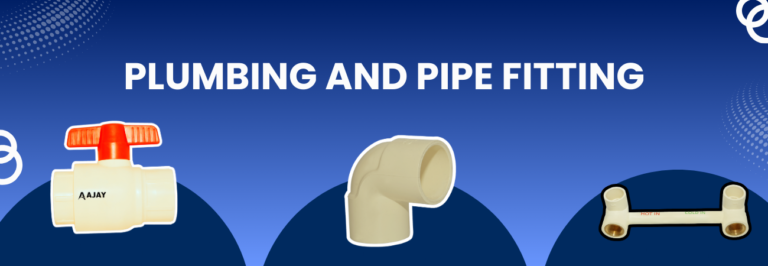
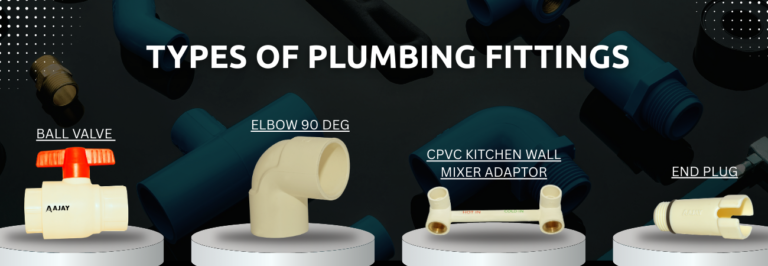
A pipe is only as good as the fittings that connect it. This is a detail a lot of first-time DIYers overlook, and it’s where things can go wrong fast. Plumbing PVC pipe fittings elbows, tees, couplings, adapters, and unions are what turn a straight length of pipe into a functioning system that bends, branches, and connects exactly where you need it to.
Here’s what to consider when selecting fittings:
- Match the schedule rating. Fittings and pipes should share the same schedule (like Schedule 40 or Schedule 80) to maintain pressure ratings and structural integrity.
- Use the correct solvent cement. Different PVC formulations require specific primers and cements using the wrong one can lead to weak, leak-prone joints.
- Don’t overtighten threaded fittings. PVC threads are more brittle than metal ones; overtightening can crack the fitting entirely.
- Inspect for burrs and debris. Before joining pipe to fitting, make sure both surfaces are clean and free of shavings from cutting.
A well-fitted PVC system, done right, should give you leak-free performance for years without a second thought.
How to Choose the Right PVC Pipe for Your Project
Not every PVC pipe is created equal, and picking the wrong type can mean redoing work down the line. Before you buy, ask yourself:
- What’s the application? Cold water supply, hot water, drainage, or irrigation all call for different pipe types.
- What pressure rating do you need? Schedule 40 handles most residential needs, while Schedule 80 is for higher-pressure or industrial use.
- Is it for indoor or outdoor/underground use? UV-resistant PVC is available for pipes exposed to sunlight.
- What do local codes require? Always check regional plumbing regulations, since requirements vary by area.
Taking a few extra minutes to answer these questions before your next hardware store trip can save you a surprising amount of frustration and money later.
Conclusion
PVC water pipe isn’t glamorous, but it’s one of those quiet workhorses that keeps modern plumbing running smoothly. Whether you’re setting up a fresh water supply line, tackling a hot water system with CPVC, or just trying to get your fittings right the first time, understanding the basics goes a long way toward avoiding costly mistakes.
If you’re planning a plumbing project and want expert guidance tailored to your specific setup, it’s always smart to consult professionals who know the ins and outs of local codes, material choices, and installation best practices.
Need help choosing the right pipes and fittings for your project? Get expert advice at Plumbing Advisor India your trusted resource for smarter plumbing decisions.
FAQs
1. Is PVC pipe safe for drinking water?
Yes, PVC pipe rated for potable water use is safe for drinking water systems. Look for pipes that meet NSF/ANSI standards specifically for potable water applications.
2. Can I use regular PVC pipe for hot water lines?
No, standard PVC isn’t designed to handle high temperatures. Use CPVC pipe instead, as it’s specifically engineered for hot water applications.
3. How long does PVC pipe typically last?
With proper installation and normal usage conditions, PVC pipe can last 50 to 100 years, making it one of the most durable plumbing materials available.
4. What's the difference between Schedule 40 and Schedule 80 PVC pipe?
Schedule 80 has thicker walls and can handle higher pressure than Schedule 40, though both are common in residential and light commercial use depending on the application.
5. Do PVC pipe fittings need special glue?
Yes, PVC fittings require solvent cement designed specifically for PVC material, along with a compatible primer for a secure, leak-free bond.