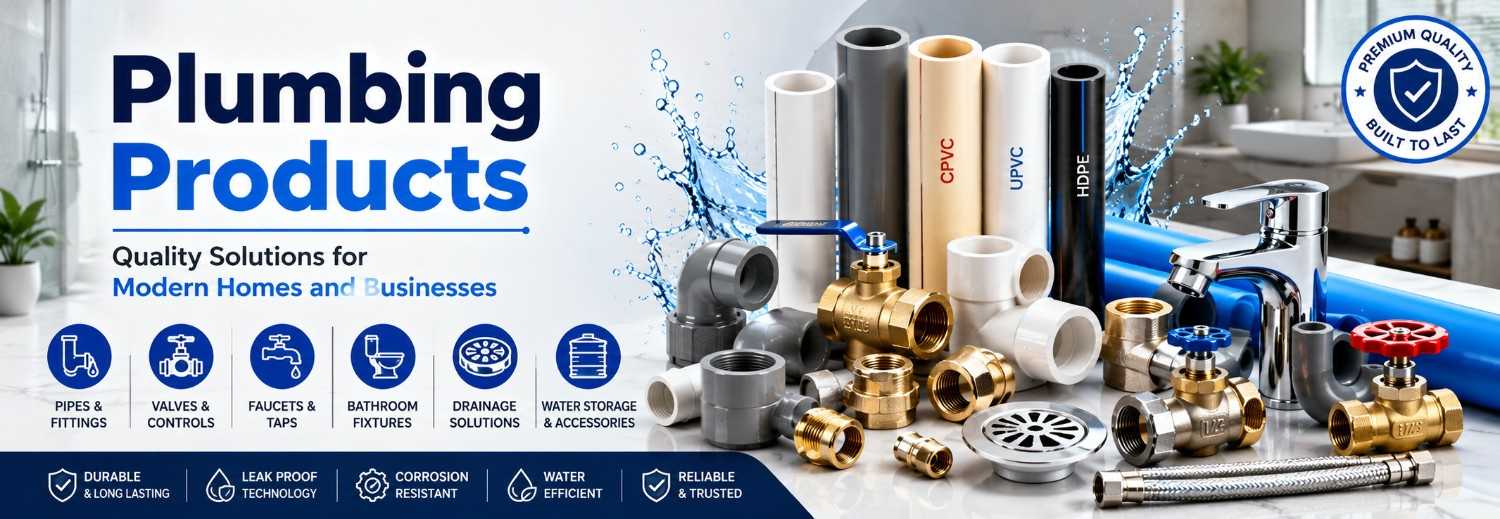
Plumbing Products: A Complete Guide to Choosing Quality Solutions for Modern Homes and Businesses
Introduction
Introduction
Plumbing products play a vital role in ensuring safe water distribution, efficient drainage, and long-lasting infrastructure in residential, commercial, and industrial spaces. From pipes and fittings to valves, faucets, and accessories, selecting the right products directly impacts the durability and performance of any plumbing system.
As construction standards continue to evolve, homeowners, builders, and contractors are increasingly looking for reliable and innovative plumbing solutions. Choosing best plumbing products not only reduces maintenance costs but also improves water efficiency and overall system reliability.
In this guide, we’ll explore the importance of plumbing products, the different types available, factors to consider before purchasing, and how to identify trusted plumbing product manufacturers and dependable plumbing supplies.
What Are Plumbing Products?
Plumbing products are the components and accessories used to transport water, manage wastewater, and support sanitary systems in buildings. These products are designed to withstand varying water pressures, temperatures, and environmental conditions while maintaining efficiency over time.
Modern plumbing systems include a combination of pipes, fittings, valves, taps, connectors, drainage solutions, and water management accessories that work together to provide uninterrupted water flow and proper waste disposal.
Why High-Quality Plumbing Products Matter
Investing in premium plumbing products offers several long-term advantages:
- Enhanced durability and resistance to corrosion
- Reduced risk of leaks and water damage
- Better water pressure and flow performance
- Lower maintenance and repair costs
- Improved safety and hygiene
- Increased energy and water efficiency
- Longer service life for the entire plumbing system
Quality materials and precise manufacturing standards ensure that plumbing systems continue to perform reliably even under demanding conditions.
Common Types of Plumbing Products
1. Pipes
Pipes form the backbone of every plumbing system. They are available in various materials, including PVC, CPVC, UPVC, HDPE, and metal, depending on the intended application.
Common uses include:
- Drinking water supply
- Hot water distribution
- Irrigation systems
- Industrial fluid transportation
- Drainage and sewage systems
2. Pipe Fittings
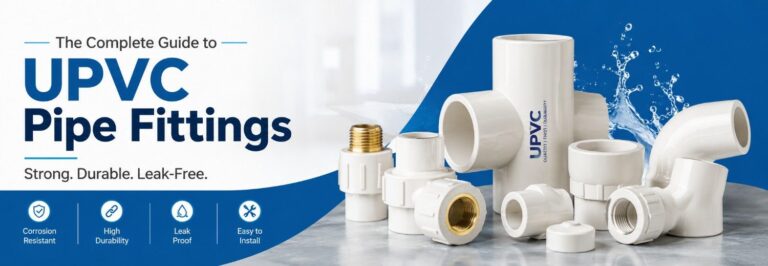
Fittings connect, redirect, or terminate pipe sections.
Properly matched fittings help create leak-resistant and durable plumbing networks.
3. Valves
Valves regulate water flow and pressure throughout a plumbing system. Ball valves, gate valves, check valves, and butterfly valves are commonly used for controlling and isolating water supply lines.
4. Faucets and Taps
Available in numerous designs and finishes, faucets combine functionality with aesthetics. Modern options often feature water-saving technology and easy maintenance.
5. Bathroom Fixtures
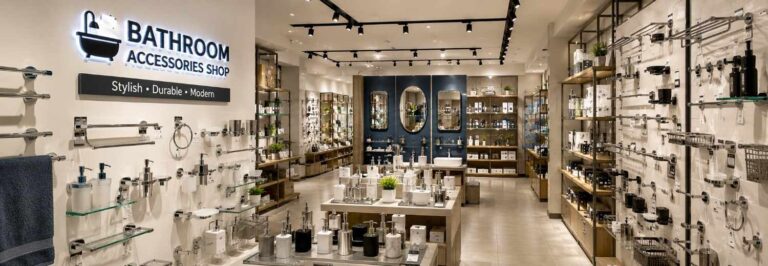
Products such as showers, wash basins, flush systems, and sanitary accessories contribute to user comfort while supporting water conservation.
6. Drainage Components
Floor drains, traps, waste pipes, and drainage fittings ensure proper wastewater management and help prevent unpleasant odors and blockages.
7. Water Storage and Distribution Accessories
Connectors, clamps, hoses, and pressure regulators support efficient water delivery while protecting the integrity of the plumbing system.
How to Choose the Best Plumbing Products
Material Quality
Choose products manufactured from durable materials capable of resisting corrosion, scaling, chemicals, and temperature fluctuations.
Application Suitability
Different projects require different materials. Hot water systems, drinking water lines, drainage networks, and industrial installations each have unique requirements.
Compliance with Standards
Look for products that meet recognized quality certifications and industry standards to ensure safety and performance.
Installation Compatibility
Products should integrate smoothly with existing systems to reduce installation complexity and minimize future maintenance.
Brand Reputation
Trusted plumbing product manufacturers invest in research, quality control, and testing, helping customers achieve long-lasting performance.
Warranty and Support
Manufacturers offering warranties and technical assistance often demonstrate greater confidence in their product quality.
Key Features of the Best Plumbing Products
When comparing available options, prioritize features such as:
- Leak-resistant construction
- High-pressure tolerance
- Corrosion resistance
- Smooth internal surfaces for better flow
- Chemical resistance
- UV protection where required
- Easy installation
- Minimal maintenance requirements
- Long operational lifespan
These characteristics contribute to greater efficiency and reduced lifecycle costs.
Importance of Reliable Plumbing Supplies
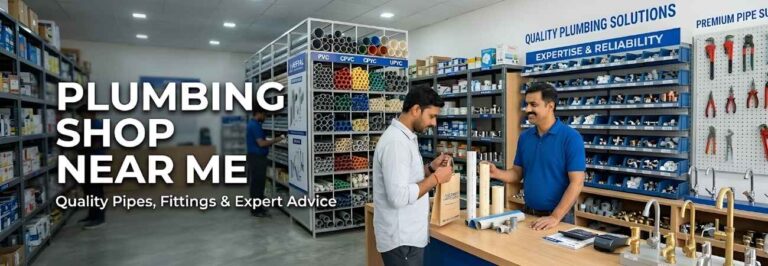
Consistent access to quality plumbing supplies is essential for construction projects and maintenance work alike. Builders, contractors, and homeowners benefit from sourcing products from dependable suppliers who maintain product authenticity and inventory availability.
Reliable plumbing supplies help:
- Avoid project delays
- Maintain quality consistency
- Reduce replacement frequency
- Improve installation reliability
- Support compliance with building standards
Working with authorized distributors also minimizes the risk of counterfeit or substandard products entering a project.
Trends Shaping the Plumbing Industry
The plumbing sector continues to evolve with innovations focused on sustainability and performance.
Smart Water Management
Digital monitoring systems detect leaks, track water usage, and improve overall efficiency in residential and commercial properties.
Water Conservation
Low-flow fixtures and efficient plumbing components help reduce water consumption without compromising performance.
Advanced Materials
Manufacturers are developing stronger and lighter materials that improve durability while simplifying installation.
Eco-Friendly Manufacturing
Many leading plumbing product manufacturers are adopting environmentally responsible production methods and recyclable materials.
Improved Hygiene
Modern plumbing solutions increasingly incorporate antimicrobial surfaces and touchless technologies for enhanced cleanliness.
Benefits of Working with Professional Installers
Even the best plumbing products require correct installation to deliver optimal performance.
Professional plumbers provide:
- Accurate system planning
- Compliance with local regulations
- Proper sealing and jointing
- Pressure testing
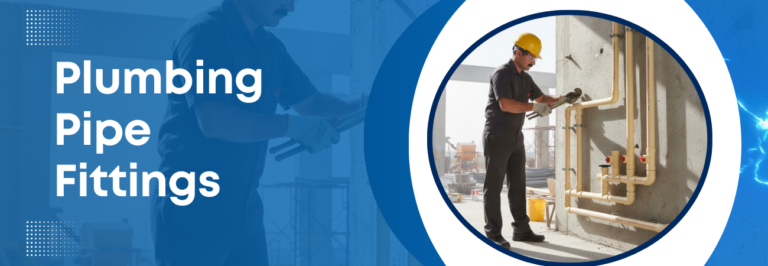
- Efficient troubleshooting
- Reduced risk of leaks and failures
Expert installation maximizes product lifespan and minimizes future maintenance expenses.
Maintenance Tips for Long-Lasting Plumbing Systems
Regular maintenance extends the service life of plumbing products and helps avoid unexpected repairs.
Recommended practices include:
- Inspect pipes and fittings periodically.
- Check for leaks around joints and fixtures.
- Clean drains to prevent blockages.
- Replace worn washers and seals promptly.
- Monitor water pressure levels.
- Flush water heaters according to manufacturer recommendations.
- Schedule professional inspections when necessary.
Preventive maintenance protects both the plumbing system and the surrounding property.
Common Mistakes to Avoid
Many plumbing issues arise from preventable errors, including:
- Purchasing low-quality materials solely based on price
- Mixing incompatible components
- Ignoring manufacturer guidelines
- Delaying repairs after minor leaks appear
- Using incorrect pipe sizes
- Skipping pressure testing after installation
- Choosing products without considering long-term durability
Avoiding these mistakes can significantly improve system reliability and reduce ownership costs.
Why Quality Plumbing Products Are a Smart Investment
Although premium products may involve a higher upfront cost, they often deliver substantial savings through reduced maintenance, fewer repairs, and longer replacement intervals.
Quality plumbing systems also contribute to:
- Better property value
- Improved water efficiency
- Enhanced user satisfaction
- Lower operational costs
- Greater environmental sustainability
Whether for a new construction project or renovation, investing in dependable plumbing solutions pays dividends over time.
Conclusion
Plumbing products form the foundation of safe, efficient, and reliable water management systems. From durable pipes and precision fittings to advanced valves and drainage components, every element plays an important role in maintaining performance and protecting infrastructure.
Choosing the best plumbing products from reputable plumbing product manufacturers and sourcing dependable plumbing supplies ensures long-term reliability, improved efficiency, and reduced maintenance costs. By focusing on quality, compatibility, and professional installation, homeowners and businesses can build plumbing systems designed to perform for years to come.
FAQs
1. What are plumbing products used for?
Plumbing products are used to transport water, manage wastewater, regulate flow, and support sanitary systems in residential, commercial, and industrial buildings.
2. How do I identify the best plumbing products for my project?
Consider factors such as material quality, certifications, durability, compatibility, pressure ratings, and the reputation of the manufacturer before making a purchase.
3. Why is it important to buy from trusted plumbing product manufacturers?
Established manufacturers typically maintain higher quality standards, conduct product testing, provide warranties, and ensure better long-term performance and reliability.
4. Where can I find reliable plumbing supplies?
Reliable plumbing supplies can be sourced from authorized distributors, specialized building material stores, reputable dealers, and verified online suppliers with strong customer support.
5. How often should plumbing systems be inspected?
A general inspection every one to two years is recommended, while commercial facilities or older properties may benefit from more frequent maintenance checks to identify issues early.