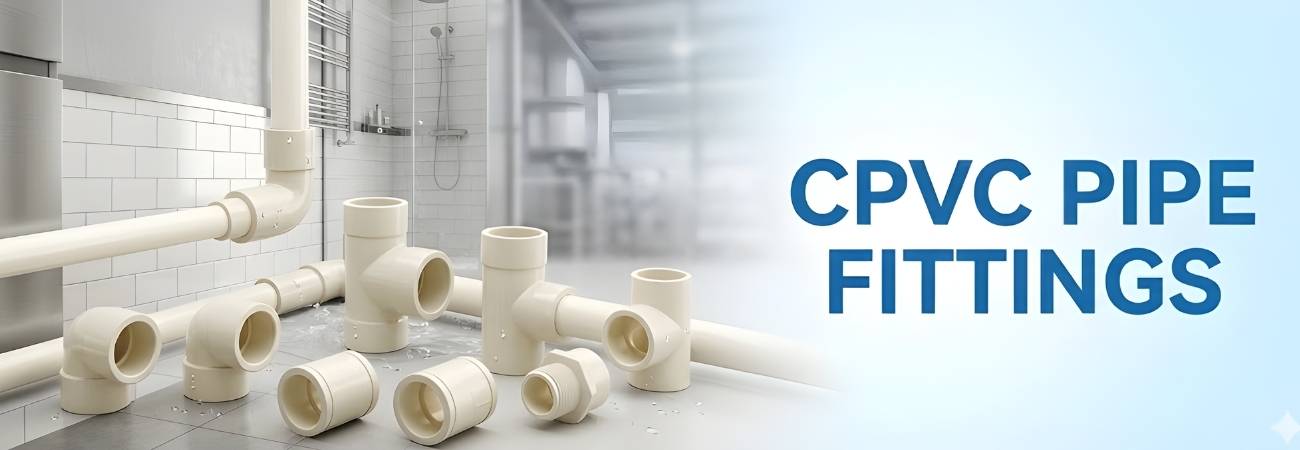
CPVC Pipe Fittings: A Complete Guide for Durable and Efficient Plumbing
When it comes to modern plumbing systems, CPVC pipe fittings have become a preferred choice for residential, commercial, and industrial applications. Known for their durability, corrosion resistance, and ability to handle high temperatures, CPVC fittings play a crucial role in ensuring a safe and efficient water distribution system.
In this comprehensive guide, we’ll explore everything you need to know about CPVC pipe fittings, their benefits, applications, types, and why they are ideal for modern plumbing systems.
What Are CPVC Pipe Fittings?
CPVC (Chlorinated Polyvinyl Chloride) pipe fittings are components used to connect CPVC pipes in a plumbing system. These fittings help in directing, joining, and controlling the flow of water efficiently.
Unlike traditional metal fittings, CPVC pipe connectors are made from thermoplastic material that undergoes chlorination, making them highly resistant to heat and chemical damage.
They are widely used in:
- Residential plumbing
- Industrial piping systems
- Hot and cold water supply
- Agricultural irrigation systems
Key Features of CPVC Pipe Fittings
1. High Temperature Resistance
CPVC plumbing fittings can withstand temperatures up to 93°C, making them ideal for hot water applications.
2. Corrosion-Free Performance
Unlike metal fittings, CPVC fittings do not rust or corrode, ensuring long-lasting performance in all environments.
3. Lightweight and Easy Installation
These fittings are lightweight and easy to install, reducing labor costs and installation time.
4. Chemical Resistance
CPVC pipe connectors are resistant to acids, alkalis, and other chemicals, making them suitable for industrial applications.
5. Long Lifespan
With proper installation, CPVC fittings can last for decades without significant wear and tear.
Types of CPVC Pipe Fittings
Understanding the different types of fittings is essential for designing an efficient plumbing system.
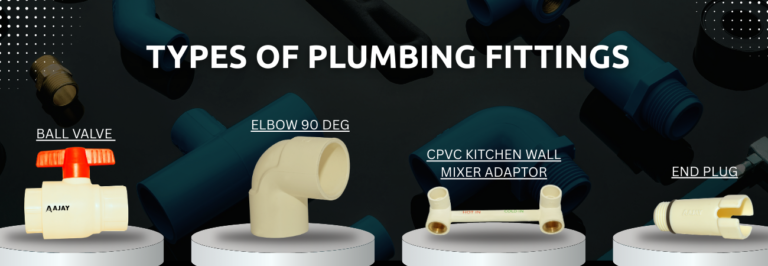
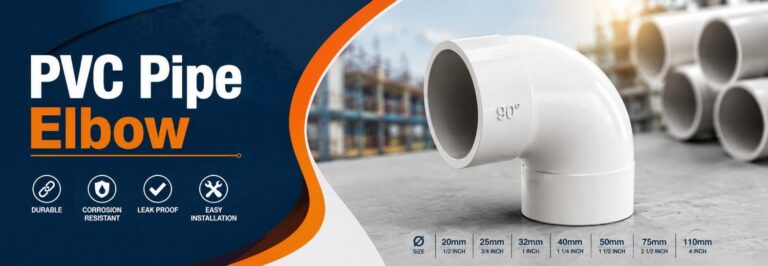
1. Elbow Fittings
Used to change the direction of water flow, typically at 45° or 90° angles.
2. Tee Fittings
Allow water flow to be split into two directions, commonly used in branching pipelines.
3. Couplings
Used to connect two pipes of the same diameter.
4. Reducers
Help connect pipes of different diameters, ensuring smooth water flow.
5. Unions
Allow easy disconnection and maintenance of pipes without cutting.
6. End Caps
Used to close the end of a pipeline.
7. Valves
Control the flow of water within the system.
Each of these water supply pipe fittings plays a specific role in ensuring an efficient and leak-proof system.
Benefits of Using CPVC Pipe Fittings
1. Cost-Effective Solution
Compared to metal piping systems, CPVC plumbing fittings are more affordable and require less maintenance.
2. Leak-Proof Joints
When installed using solvent cement, CPVC pipe connectors form strong, leak-proof joints.
3. Safe for Drinking Water
CPVC fittings are non-toxic and safe for potable water applications.
4. Energy Efficient
Smooth inner surfaces reduce friction, improving water flow and reducing energy consumption.
5. Fire Resistance
CPVC has inherent fire-retardant properties, adding an extra layer of safety.
Applications of CPVC Pipe Fittings
CPVC pipe fittings are widely used across various sectors due to their versatility:
Residential Plumbing
Used for hot and cold water systems in homes, ensuring reliable water supply.
Commercial Buildings
Ideal for offices, hotels, hospitals, and malls where durable plumbing is essential.
Industrial Use
Used in chemical processing plants due to their chemical resistance.
Agriculture
Suitable for irrigation systems, ensuring efficient water distribution.
Water Supply Systems
Extensively used in municipal water supply networks due to durability and hygiene.
CPVC vs PVC: What’s the Difference?
Many people confuse CPVC with PVC, but they serve different purposes.
| Feature | CPVC | PVC |
|---|---|---|
| Temperature Resistance | High | Low |
| Application | Hot & Cold Water | Cold Water Only |
| Strength | Higher | Moderate |
| Cost | Slightly Higher | Lower |
CPVC pipe connectors are a better choice for hot water applications, while PVC is mainly used for cold water systems.
Installation Tips for CPVC Pipe Fittings
Proper installation ensures long-lasting performance. Here are some essential tips:
- Always use the correct solvent cement for CPVC plumbing fittings
- Clean and dry pipe surfaces before joining
- Ensure proper alignment before fixing
- Avoid over-tightening fittings
- Allow sufficient curing time before use
Following these steps helps in creating a leak-proof and durable system.
Maintenance and Care
One of the biggest advantages of CPVC pipe fittings is their low maintenance requirement. However, basic care can extend their lifespan:
- Regularly inspect for leaks
- Avoid exposure to direct sunlight for prolonged periods
- Use compatible fittings and accessories
- Replace damaged components immediately
Why Choose CPVC Pipe Fittings for Modern Plumbing?
Modern infrastructure demands materials that are reliable, durable, and cost-effective. CPVC pipe fittings meet all these requirements and more.
They offer:
- Long-term performance
- High safety standards
- Ease of installation
- Compatibility with various applications
Whether it’s a home, commercial building, or industrial setup, CPVC plumbing fittings provide a dependable solution for all water supply needs.
Future of CPVC Plumbing Systems
With increasing demand for efficient and sustainable plumbing solutions, CPVC pipe connectors are gaining popularity worldwide. Their eco-friendly nature and long lifespan make them a preferred choice for future-ready infrastructure.
As technology advances, we can expect even more improvements in CPVC materials, making them stronger, safer, and more efficient.
Conclusion
CPVC pipe fittings have revolutionized modern plumbing by offering a durable, cost-effective, and high-performance solution. From residential homes to industrial setups, their versatility and reliability make them indispensable in today’s construction industry.
If you are planning a plumbing system, choosing high-quality CPVC plumbing fittings ensures long-term efficiency and peace of mind.
FAQs on CPVC Pipe Fittings
1. What are CPVC pipe fittings used for?
CPVC pipe fittings are used to connect pipes in plumbing systems for hot and cold water supply in residential, commercial, and industrial applications.
2. Are CPVC plumbing fittings safe for drinking water?
Yes, CPVC fittings are non-toxic and safe for potable water, making them ideal for household use.
3. How long do CPVC pipe connectors last?
With proper installation and maintenance, CPVC pipe connectors can last over 40–50 years.
4. Can CPVC fittings handle hot water?
Yes, CPVC pipe fittings are designed to withstand high temperatures, making them suitable for hot water systems.
5. What is the difference between CPVC and PVC fittings?
CPVC fittings can handle both hot and cold water, while PVC fittings are mainly used for cold water applications only.