Sanitary Fittings – A Complete Guide to Smart, Hygienic Plumbing Solutions
Sanitary fittings are the backbone of any modern bathroom and kitchen. From taps and showers to sinks and drainage accessories, these essential components ensure clean water supply, safe wastewater disposal, and overall hygiene in residential and commercial spaces. Choosing the right sanitary fittings not only improves functionality but also enhances the aesthetics and long-term performance of your plumbing system.
In this detailed guide, we will explore everything you need to know about sanitary fittings, including types, materials, applications, and maintenance tips. We will also explain how bathroom sanitary fittings, kitchen sanitary fittings, and plumbing fittings play a vital role in building a reliable and efficient plumbing infrastructure.
What Are Sanitary Fittings?
Sanitary fittings are plumbing accessories designed to control water flow, manage drainage, and maintain cleanliness in bathrooms, kitchens, and other utility areas. They are engineered to withstand moisture, pressure, and temperature changes while ensuring smooth and hygienic operation.
High-quality sanitary fittings prevent leaks, reduce water wastage, and improve the overall user experience. Whether you are constructing a new building or renovating an old one, investing in the right sanitary fittings is essential for long-term performance and comfort.
Importance of Sanitary Fittings in Modern Buildings
In today’s lifestyle, sanitation and hygiene are more important than ever. Sanitary fittings help in:
- Providing a clean and safe water supply
- Preventing water leakage and dampness
- Improving bathroom and kitchen functionality
- Enhancing interior design and comfort
- Reducing water consumption through efficient designs
Modern plumbing systems rely heavily on advanced plumbing fittings that ensure smooth flow, durability, and ease of maintenance.
Types of Sanitary Fittings
Sanitary fittings are used in different parts of a building. Let’s understand their main categories.
1. Bathroom Sanitary Fittings
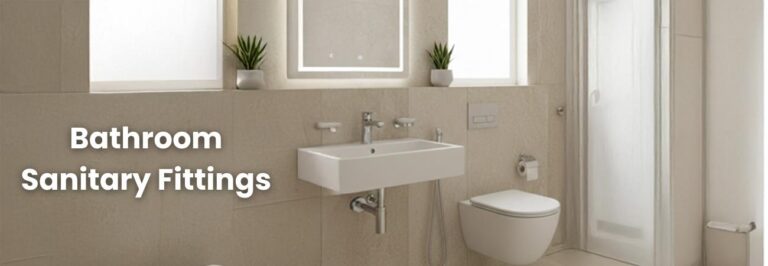
Bathroom sanitary fittings are designed to ensure comfort, hygiene, and efficiency. These include:
- Wash basins
- Water closets (toilets)
- Showers and mixers
- Taps and faucets
- Health faucets and bidet sprays
- Floor drains and traps
These fittings are exposed to constant water and humidity, so they must be corrosion-resistant, easy to clean, and durable. Well-designed bathroom sanitary fittings not only improve functionality but also give your bathroom a modern and stylish look.
2. Kitchen Sanitary Fittings
The kitchen is another area where water is used extensively. Kitchen sanitary fittings include:
- Sink mixers and faucets
- Kitchen sinks
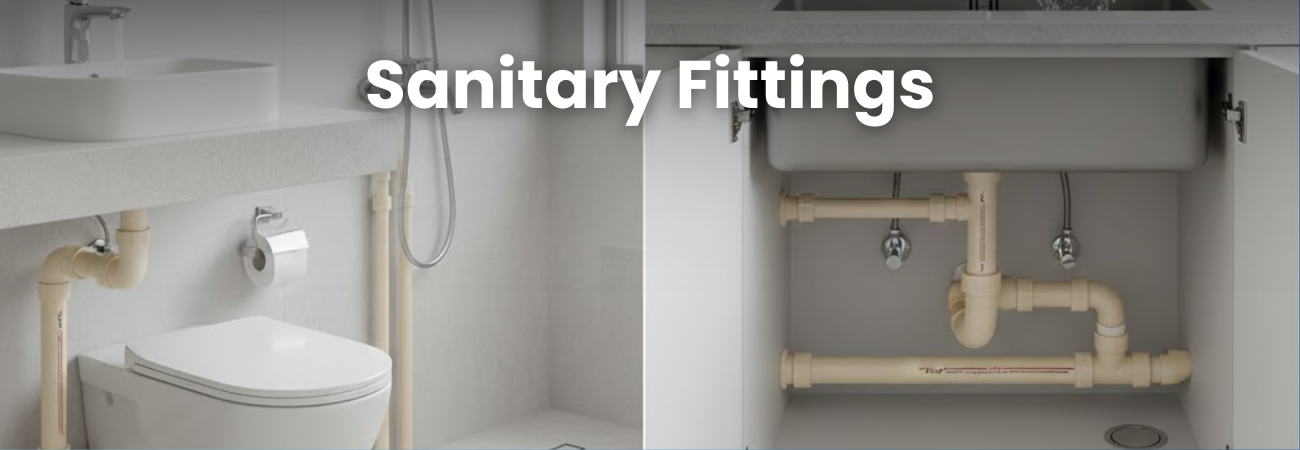
- Drain pipes and traps
- Water filters and connectors
- Dishwasher and washing machine inlets
Good kitchen sanitary fittings ensure smooth water flow, prevent blockages, and maintain cleanliness. Since kitchens deal with oil, food waste, and hot water, the fittings must be sturdy and easy to maintain.
3. Plumbing Fittings
Plumbing fittings connect pipes and allow water to flow in the right direction. They include:
- Elbows and bends
- Tees and couplings
- Valves and adapters
- Unions and reducers
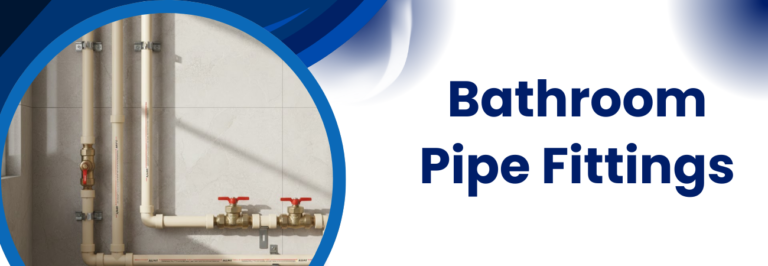
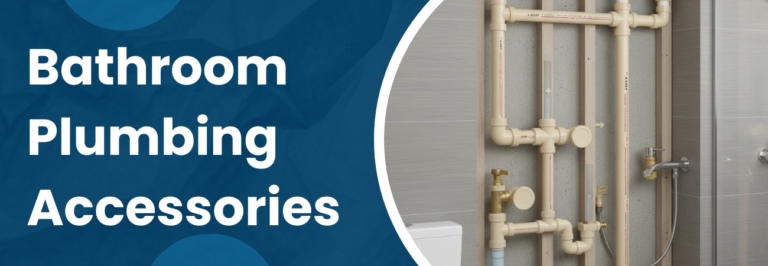
Plumbing fittings are essential for building a leak-proof and efficient water supply and drainage system. Without the right fittings, even the best pipes will not perform properly.
Materials Used in Sanitary Fittings
The material of sanitary fittings plays a major role in durability and performance. Some commonly used materials include:
- Ceramic: Used for wash basins and toilets due to its smooth finish and easy cleaning.
- Brass: Popular for taps and valves because of its strength and corrosion resistance.
- Stainless Steel: Ideal for kitchen sinks and fittings due to its hygiene and durability.
- PVC and CPVC: Used for drainage and water supply plumbing fittings because they are lightweight, rust-free, and cost-effective.
Choosing the right material ensures long life and reduces maintenance costs.
How to Choose the Right Sanitary Fittings
Selecting sanitary fittings requires careful consideration of quality, design, and application. Here are some important factors:
- Durability: Always choose fittings made from high-quality materials.
- Water efficiency: Look for fittings that reduce water wastage.
- Design: Modern fittings should match your interior style.
- Ease of maintenance: Choose fittings that are easy to clean and repair.
- Compatibility: Ensure that fittings match your plumbing system and pipe size.
Whether you are installing bathroom sanitary fittings or kitchen sanitary fittings, making the right choice will save money and trouble in the long run.
Benefits of High-Quality Sanitary Fittings
Using premium sanitary fittings offers multiple advantages:
- Leak-free performance
- Better water pressure control
- Improved hygiene
- Longer service life
- Reduced repair and replacement costs
- Enhanced visual appeal of bathrooms and kitchens
High-quality plumbing fittings also help in maintaining a smooth and efficient water distribution system throughout the building.
Maintenance Tips for Sanitary Fittings
Proper care and maintenance can extend the life of your sanitary fittings. Some simple tips include:
- Clean taps and basins regularly to prevent stains and scaling.
- Check for leaks and loose fittings periodically.
- Avoid using harsh chemicals that can damage surfaces.
- Ensure drainage fittings are free from blockages.
- Replace worn-out washers and seals on time.
Regular maintenance ensures that your bathroom and kitchen remain hygienic and functional.
Why Sanitary Fittings Matter for Hygiene
Sanitary fittings play a crucial role in maintaining hygiene in homes and commercial spaces. Well-designed fittings prevent water stagnation, reduce bacterial growth, and ensure proper disposal of wastewater. From bathroom sanitary fittings to kitchen sanitary fittings, every component contributes to a clean and healthy environment.
Conclusion
Sanitary fittings are more than just accessories; they are essential components of a healthy and efficient plumbing system. By choosing high-quality materials, proper designs, and professional guidance, you can ensure long-lasting performance and comfort in your home or commercial space.
FAQs
1. What are sanitary fittings used for?
Sanitary fittings are used to control water flow, manage drainage, and maintain hygiene in bathrooms, kitchens, and other utility areas.
2. Why are bathroom sanitary fittings important?
Bathroom sanitary fittings ensure proper water usage, comfort, cleanliness, and help prevent leaks and dampness.
3. Which material is best for kitchen sanitary fittings?
Stainless steel and brass are commonly preferred for kitchen sanitary fittings because they are durable, hygienic, and corrosion-resistant.
4. How do plumbing fittings help in water management?
Plumbing fittings connect pipes, control direction and flow, and help create a leak-free and efficient water supply system
5. How often should sanitary fittings be maintained?
Sanitary fittings should be checked and cleaned regularly, and a detailed inspection should be done at least once a year to ensure smooth operation.