Plumbing Materials: The Complete Guide to Reliable & Long-Lasting Plumbing
Plumbing materials are the foundation of every efficient water supply and drainage system. Whether you are building a new home, renovating a bathroom, or managing a commercial project, choosing the right plumbing pipes, plumbing fittings, and water supply materials ensures durability, hygiene, and cost efficiency. Poor-quality materials can lead to leakage, corrosion, water contamination, and expensive repairs.
This comprehensive guide explains everything you need to know about modern plumbing materials and how to choose the best options for residential, commercial, and industrial applications.
What Are Plumbing Materials?
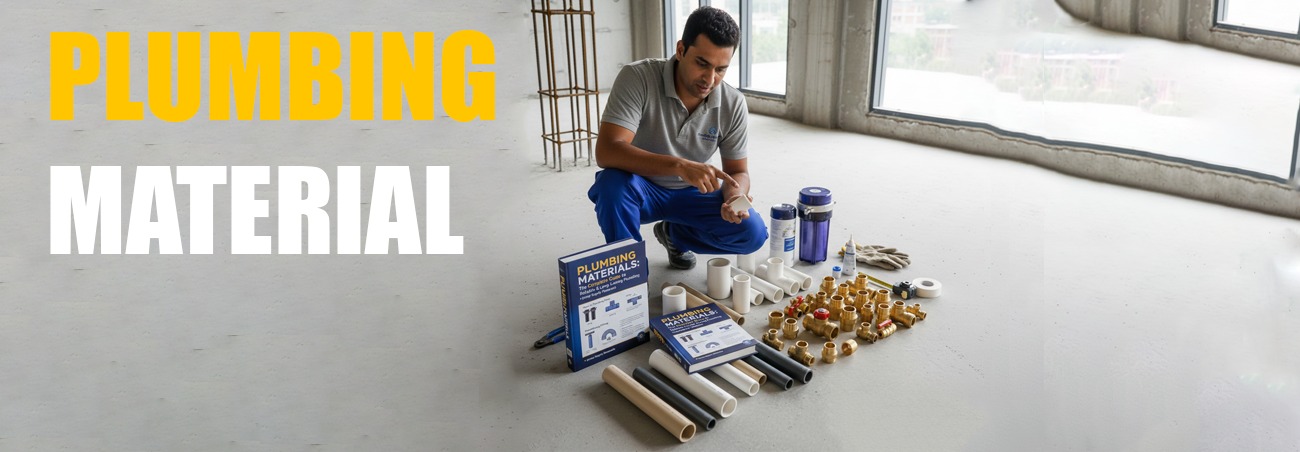
Plumbing materials include all the components used to install and maintain a water supply and drainage system. These materials transport clean water, remove wastewater, and control flow through taps, valves, and joints.
The three most important categories are:
- Plumbing pipes – Carry water and waste
- Plumbing fittings – Connect, divert, and control pipe systems
- Water supply materials – Components that deliver safe and steady water flow
Using compatible, high-quality materials helps prevent pressure loss, chemical reactions, and pipe damage.
Types of Plumbing Pipes Used in Modern Plumbing
Plumbing pipes are designed for different purposes like hot water, cold water, drainage, and underground use. Here are the most common types used in India today:
1. PVC Pipes
PVC pipes are widely used for drainage, rainwater harvesting, and wastewater disposal. They are lightweight, rust-free, and easy to install.
Best for: Drainage systems, soil pipes, and vent pipes
2. CPVC Pipes
They can withstand high temperatures and pressure.
Best for: Residential and commercial water lines
3. UPVC Pipes
UPVC pipes are strong, chemical-resistant, and long-lasting. They are mostly used in water distribution and irrigation.
Best for: Water supply lines and underground piping
Best for: Underground and large-scale water systems
Choosing the right plumbing pipes ensures smooth water flow and long service life.
Importance of Plumbing Fittings
Plumbing fittings connect different pipe sections and allow you to control direction, pressure, and water flow. Without quality fittings, even the best pipes can leak or fail.
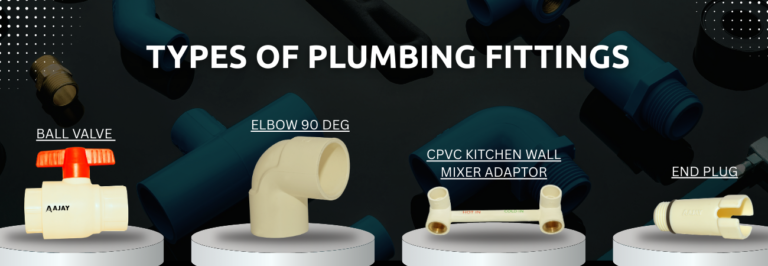
Common Types of Plumbing Fittings
- Elbows – Change direction of pipes
- Tees – Split or combine flow
- Couplings – Join two pipes
- Valves – Control water flow
- Reducers – Connect pipes of different sizes
High-grade plumbing fittings provide leak-proof joints, reduce maintenance, and improve overall system efficiency.
Understanding Water Supply Materials
Water supply materials ensure that clean, safe water reaches every tap in your home or building. These include:
- Pipes for cold and hot water
- Valves and taps
- Storage tanks
- Pressure regulators
- Filtration units
Using certified water supply materials prevents contamination and maintains water pressure across all fixtures.
Why Quality Plumbing Materials Matter
Low-quality plumbing materials can lead to serious problems such as:
- Water leakage and seepage
- Low water pressure
- Rust and corrosion
- Pipe bursts
- Health risks from contaminated water
High-quality plumbing pipes and plumbing fittings provide better strength, chemical resistance, and longer life, making them a smart investment.
How to Choose the Right Plumbing Materials
When selecting plumbing materials, consider the following factors:
Water type: Hot or cold water requires different pipes
Pressure level: High pressure needs stronger pipes and fittings
Installation area: Indoor, outdoor, or underground use
Budget: Quality materials save money in the long run
Standards: Always use ISI or ISO certified products
Professional plumbers always recommend reliable water supply materials to avoid future breakdowns.
Latest Trends in Plumbing Materials
Modern plumbing has evolved with innovative materials that improve efficiency and sustainability. Some current trends include:
- Eco-friendly pipes with recyclable materials
- Leak-proof fittings with advanced sealing
- Corrosion-resistant coatings
- High-pressure plumbing pipes for multi-storey buildings
These advanced plumbing materials offer better performance and reduced maintenance costs.
Maintenance Tips for Plumbing Systems
Even the best plumbing materials need proper care.
- Check pipes regularly for leaks
- Avoid using harsh chemicals
- Clean filters and valves
- Ensure proper pipe insulation
- Replace worn-out plumbing fittings
Good maintenance increases the life of your water supply materials and prevents expensive repairs.
Conclusion
Plumbing materials play a vital role in delivering clean water and managing waste safely. From high-quality plumbing pipes and plumbing fittings to reliable water supply materials, every component must work together for a smooth and efficient system. Choosing the right materials today saves you from leaks, health hazards, and unnecessary costs tomorrow.
If you want professional insights, product comparisons, and expert advice, visit https://plumbingadvisorindia.com/ and make your plumbing system stronger, safer, and smarter.
FAQs
1. What are the most commonly used plumbing pipes?
PVC, CPVC, UPVC, are the most widely used plumbing pipes for residential and commercial plumbing.
2. Why are plumbing fittings important?
Plumbing fittings connect and control pipes, ensuring leak-free joints and smooth water flow throughout the system.
3. What are water supply materials?
Water supply materials include pipes, valves, tanks, and fixtures that deliver clean and safe water to your home or building.
4. Can I use the same pipe for hot and cold water?
No, hot water requires heat-resistant pipes like CPVC, while PVC is mainly for cold water and drainage.
5. Where can I get expert advice on plumbing materials?
For expert tips, product comparisons, and trusted plumbing solutions and make the right choice for every plumbing project.