Bathroom Plumbing Fittings: A Complete Guide for Modern Bathrooms
A well-designed bathroom is not just about stylish tiles and premium sanitaryware—it also depends heavily on the quality of bathroom plumbing fittings. These fittings play a vital role in ensuring smooth water flow, proper drainage, and long-term durability. Whether you are constructing a new bathroom or renovating an old one, choosing the right plumbing fittings can prevent leaks, reduce maintenance costs, and improve overall bathroom performance.
In this detailed guide, we will explore everything you need to know about bathroom plumbing fittings, including types, materials, plumbing bathroom fittings names, and tips for selecting the best bathroom pipe fittings.
What Are Bathroom Plumbing Fittings?
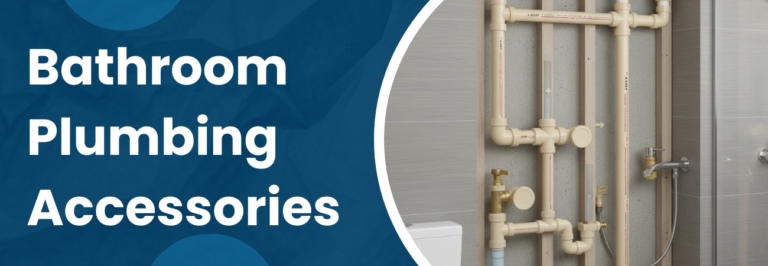
Bathroom plumbing fittings are essential components that connect pipes, control water flow, and manage drainage systems in a bathroom. These fittings ensure that water reaches fixtures like taps, showers, and geysers efficiently while safely removing wastewater.
High-quality bathroom fittings enhance water efficiency, prevent corrosion, and extend the lifespan of your plumbing system.
Importance of Choosing the Right Bathroom Fittings
Selecting the correct bathroom plumbing fittings is crucial for both functionality and safety. Poor-quality fittings can lead to frequent leakage, water pressure issues, and costly repairs.
Key Benefits of Quality Plumbing Fittings:
- Smooth and uninterrupted water flow
- Leak-free pipe connections
- Better water pressure control
- Long-lasting performance
- Reduced maintenance and repair costs
Common Plumbing Bathroom Fittings Name List
Understanding the plumbing bathroom fittings name helps in making informed decisions during installation or repair. Below are the most commonly used fittings in bathrooms:
1. Elbows
Elbows are used to change the direction of pipes, usually at 45° or 90°. They are essential for routing water lines efficiently.
2. Tees
Tee fittings allow water flow in three directions and are widely used in washbasin and shower connections.
3. Couplings
Couplings join two pipes of the same diameter, ensuring a secure and leak-proof connection.
4. Reducers
Reducers connect pipes of different sizes, helping maintain proper water pressure.
5. Unions
Unions allow easy disconnection of pipes for maintenance without cutting the pipeline.
6. End Caps and Plugs
These fittings close pipe ends and are used in concealed plumbing systems.
Types of Bathroom Pipe Fittings Based on Application
Different areas of a bathroom require specific pipe fittings for optimal performance.
Water Supply Pipe Fittings
These fittings deliver clean water to taps, showers, and flush tanks. CPVC and UPVC fittings are commonly used due to their corrosion resistance.
Drainage Pipe Fittings
Drainage fittings help remove wastewater efficiently. They are designed to prevent blockages and backflow.
Concealed Plumbing Fittings
Used behind walls, concealed fittings provide a clean and modern look while ensuring long-term reliability.
Materials Used in Bathroom Plumbing Fittings
PVC and UPVC
Lightweight, cost-effective, and corrosion-resistant, PVC and UPVC fittings are ideal for drainage and cold-water supply.
CPVC
CPVC fittings can handle hot and cold water, making them suitable for geysers and shower lines.
Brass
Brass fittings are durable and commonly used in visible bathroom fittings like taps and valves.
How to Choose the Best Bathroom Plumbing Fittings
Here are some practical tips to help you select the right fittings:
- Always choose fittings compatible with your pipe material
- Ensure fittings meet ISI or industry quality standards
- Prefer corrosion-resistant materials for long life
- Check pressure and temperature ratings
- Opt for trusted brands and professional installation
Installation and Maintenance Tips
Even the best bathroom fittings require proper installation and maintenance.
Installation Tips:
- Use appropriate sealants and adhesives
- Avoid overtightening fittings
- Follow manufacturer guidelines
Maintenance Tips:
- Regularly check for leaks
- Clean fittings to prevent scaling
- Replace damaged fittings immediately
Why Bathroom Plumbing Fittings Matter in Home Value
High-quality bathroom pipe fittings contribute to better water efficiency and increase the resale value of your home. Buyers prefer homes with reliable plumbing systems that require minimal repairs.
Conclusion
Choosing the right bathroom plumbing fittings is the foundation of a durable and efficient bathroom. By understanding plumbing bathroom fittings names, selecting the correct materials, and following proper installation practices, you can ensure a hassle-free plumbing system for years to come.
For more expert insights and plumbing advice, don’t forget to visit Plumbing Advisor India and make informed decisions for your bathroom upgrades.
FAQs
1. What are the most essential bathroom plumbing fittings?
Elbows, tees, couplings, reducers, and valves are the most essential bathroom plumbing fittings for water supply and drainage.
2. Which material is best for bathroom pipe fittings?
CPVC is ideal for hot and cold water supply, while UPVC is best suited for drainage applications.
3. How long do bathroom plumbing fittings last?
High-quality bathroom fittings can last 15–25 years with proper installation and maintenance.
4. Can bathroom plumbing fittings affect water pressure?
Yes, poorly designed or low-quality fittings can reduce water pressure and cause uneven flow.
5. Where can I find reliable information about bathroom fittings?
You can find expert guides, comparisons, and plumbing tips on
https://plumbingadvisorindia.com/