What Are Water Tank Pipe Fittings and How Do You Choose the Right Ones?
Introduction
A water tank may look like a simple part of a plumbing system, but its performance depends heavily on the quality of the connections around it. Even a good-quality tank can develop leakage, pressure problems, or water-flow issues if the fittings are poorly selected or incorrectly installed.
This is where Water Tank Pipe Fittings become important. These fittings connect the tank with inlet, outlet, overflow, drainage, and other plumbing lines. They help create secure connections and allow water to move efficiently through the system.
Whether you are installing a new overhead tank, replacing an old connection, or upgrading a residential plumbing system, choosing the right water tank fittings can make a noticeable difference in long-term performance.
What Are Water Tank Pipe Fittings?
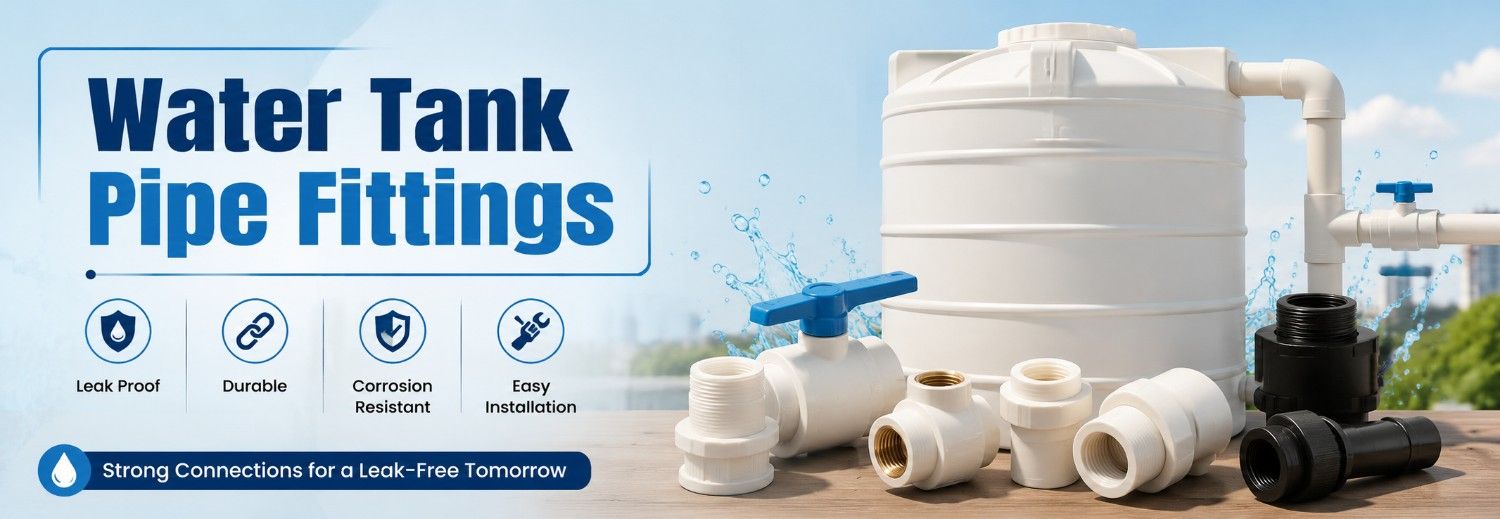
Water Tank Pipe Fittings are components used to connect pipes to a water storage tank and to create reliable plumbing connections around it. Depending on the installation, fittings can include tank nipples, connectors, sockets, elbows, adapters, unions, valves, and overflow connections.
The fitting is usually installed through an opening in the tank and connected to the required pipework. A properly designed connection should remain secure while handling regular water pressure and temperature changes.
The right fitting also needs to match the tank outlet size, pipe diameter, threading, and plumbing material. Using an incompatible fitting can result in loose joints, restricted water flow, or leakage.
Why Are Water Tank Fittings Important?
A water tank is only one part of a complete water storage system. The connections determine how effectively water enters, leaves, and overflows from the tank.
Here are some important reasons to pay attention to your fittings:
1. They help prevent leakage
A properly fitted connection creates a secure joint between the tank and pipe. Good-quality fittings, along with correct sealing and installation, reduce the chances of unwanted water leakage.
2. They support efficient water flow
An appropriately sized fitting allows water to pass through the plumbing line without unnecessary restrictions. Incorrect sizes or poorly designed connections can affect flow.
3. They improve system reliability
Water tanks are used every day in homes, apartments, offices, commercial buildings, and industrial facilities. Durable fittings can withstand repeated use and normal plumbing stresses.
4. They make maintenance easier
Some fittings and valves allow individual sections of the plumbing system to be disconnected or serviced without disturbing the entire installation.
What Water Tank Fitting Material Should You Choose?
The water tank fitting material is an important consideration because fittings remain in contact with water and are exposed to environmental conditions.
Different materials are available, including plastic, PVC, CPVC, brass, and other options. The appropriate choice depends on the application, pipe material, water conditions, pressure requirements, and installation environment.
For many residential water storage applications, plastic water tank fittings are a practical choice because they are lightweight, easy to handle, and resistant to corrosion.
However, material compatibility should always be considered. A fitting should be selected according to the complete plumbing system rather than based only on its appearance or price.
Why Are Plastic Water Tank Fittings Popular?
Plastic fittings have become increasingly common in modern plumbing installations. Their lightweight construction makes them convenient to transport and install, while their resistance to rust makes them suitable for water-related applications.
Some potential benefits include:
- Lightweight and easy to install
- Resistant to rust and corrosion
- Suitable for many residential plumbing applications
- Easy to handle during replacement or maintenance
- Available in different sizes and connection types
- Compatible with several plastic piping systems when correctly selected
The actual performance of a fitting depends on its design, material grade, manufacturing quality, installation method, and operating conditions.
Common Types of Water Tank Pipe Fittings
The exact fittings required will depend on the plumbing layout, but several types are commonly used.
Tank Connectors
Tank connectors provide a connection between the tank opening and the external pipe. They are commonly used for inlet and outlet lines.
Tank Nipples
Tank nipples help extend the connection from the tank and provide a suitable interface for attaching pipework or other fittings.
Elbows
Elbow fittings change the direction of a pipe. They can be useful when the pipe needs to move vertically, horizontally, or around an obstruction.
Adapters
Adapters help connect different types of pipe or connection systems. They are particularly useful when the tank connection and external plumbing require different connection formats.
Unions
A union can make pipe disconnection easier during maintenance. This can be useful in installations where components may need to be removed or replaced periodically.
Valves
Valves control the movement of water through a pipeline. Installing the appropriate valve near the tank can make maintenance and water-flow control more convenient.
Overflow Fittings
Overflow connections provide a controlled route for excess water. A correctly positioned overflow system can help prevent water from spilling around the tank installation area.
How Do You Choose the Right Water Tank Pipe Fittings?
Choosing fittings should not be based on size alone. Consider the following factors before purchasing.
Check the pipe size
Start by checking the diameter of the pipe that will connect to the tank. The fitting must correspond to the required pipe size to create a proper connection.
Check the connection type
Determine whether the connection requires a threaded, solvent-welded, compression, or another type of joint. Using the wrong connection style can lead to installation difficulties and leakage.
Consider the material
Select a fitting material that is suitable for the application and compatible with the tank and connected pipe. For plastic plumbing systems, compatible plastic water tank fittings can provide a convenient solution.
Consider water pressure
The fitting should be appropriate for the operating pressure of the plumbing system. Residential overhead tanks and pressurized systems may have different requirements.
Look at the installation environment
Outdoor tanks can experience sunlight, heat, rain, and temperature variations. The fitting should be suitable for the conditions in which it will be installed.
Choose quality over the lowest price
A fitting is a relatively small component, but a failure can cause significant inconvenience and water wastage. It is worth selecting products from a reliable manufacturer or supplier with appropriate quality standards.
Common Mistakes to Avoid During Installation
Even high-quality fittings can perform poorly when installation is rushed or incorrect.
One common mistake is using excessive force when tightening threaded fittings. Over-tightening can damage threads or place unnecessary stress on the connection.
Another issue is using an unsuitable sealant or sealing method. Always follow the fitting manufacturer’s installation recommendations.
It is also important to avoid mixing incompatible materials without the correct adapter. The connection should be mechanically secure and appropriate for the specific plumbing system.
Finally, check the installation for leakage after connecting the tank. Testing the system before completing the installation can help identify problems early.
How Can You Maintain Water Tank Fittings?
Water tank fittings generally require little routine attention, but occasional inspection is worthwhile.
Check visible joints for dripping, moisture, cracks, or signs of deterioration. Pay particular attention to connections around the tank outlet and inlet because these areas are frequently exposed to water pressure and movement.
If a fitting becomes damaged, replacing the affected component early can help prevent a larger plumbing problem. During tank cleaning or plumbing maintenance, it is also a good opportunity to inspect the connected pipework and fittings.
Avoid using harsh chemicals or tools that could damage plastic components. When replacement is necessary, use a fitting that matches the original connection requirements.
Conclusion
Good plumbing is often about getting the small details right. Water Tank Pipe Fittings may be small components, but they play an important role in creating a secure and dependable water storage system.
From choosing the correct size and connection type to selecting suitable water tank fitting material, every decision can affect the performance of the installation. For many residential applications, quality plastic water tank fittings offer a practical combination of lightweight handling, corrosion resistance, and ease of installation.
Before buying any fitting, check the tank outlet, pipe dimensions, connection type, pressure requirements, and installation environment. A little attention at the selection stage can help reduce leakage, maintenance, and replacement problems later.
Looking for more practical guidance on plumbing products, fittings, pipes, and water systems? Visit PlumbingAdvisorIndia for useful plumbing information and expert-oriented advice to help you make more informed product and installation decisions.
FAQs
1. What are Water Tank Pipe Fittings used for?
Water Tank Pipe Fittings are used to connect a water tank with inlet, outlet, overflow, drainage, and other plumbing lines. They help create secure and functional connections between the tank and pipework.
2. Which material is best for water tank fittings?
The best water tank fitting material depends on the application, pipe system, water conditions, pressure, and installation environment. Plastic fittings are commonly preferred for many residential applications because they are lightweight and resistant to rust and corrosion.
3. Are plastic water tank fittings durable?
Quality plastic water tank fittings can provide good durability when they are correctly selected and installed for their intended application. Their service life depends on material quality, design, operating conditions, and installation.
4. How do I select the right water tank fittings?
Check the tank outlet size, pipe diameter, connection type, material compatibility, pressure requirements, and installation environment. Choosing a fitting that matches the complete plumbing system is essential.
5. How can I prevent leakage from water tank fittings?
Use the correct fitting size and connection type, follow the manufacturer’s installation instructions, avoid over-tightening threaded connections, and use an appropriate sealing method. Inspect the connection after installation and periodically check for leaks.