CPVC Plumbing Fittings: The Smart Choice for Durable & Safe Water Systems
When it comes to modern plumbing solutions, CPVC plumbing fittings have become a preferred choice for homeowners, builders, and contractors. Known for their durability, heat resistance, and cost-effectiveness, CPVC (Chlorinated Polyvinyl Chloride) fittings play a crucial role in ensuring efficient water distribution systems in residential and commercial buildings.
In this blog, we’ll explore everything you need to know about CPVC plumbing fittings, their advantages, applications, and why they outperform traditional materials. We’ll also cover related components like CPVC pipe connectors, CPVC pipe accessories, and water supply pipe fittings to give you a complete understanding of the system.
What Are CPVC Plumbing Fittings?
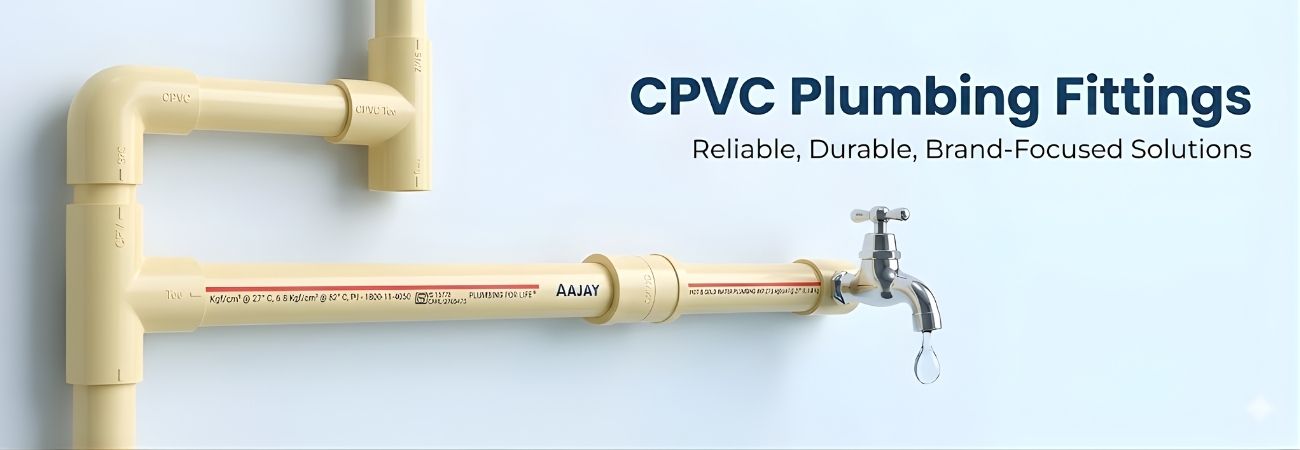
CPVC plumbing fittings are specialized components used to connect, redirect, or control the flow of water within a CPVC piping system. These fittings are made from chlorinated polyvinyl chloride, a thermoplastic material that offers superior resistance to heat and corrosion compared to standard PVC.
They are commonly used in both hot and cold water systems due to their ability to withstand high temperatures (up to 93°C or 200°F) without deforming or degrading.
Types of CPVC Plumbing Fittings
A CPVC plumbing system is incomplete without the right fittings. Here are some commonly used types:
1. Elbows
Used to change the direction of the pipe, typically at 45° or 90° angles.
2. Tees
Allow branching of the pipeline into two directions.
3. Couplings
Connect two pipes of the same diameter.
4. Reducers
Help connect pipes of different sizes.
5. Unions
Enable easy disconnection for maintenance or repairs.
6. End Caps
Used to seal the end of a pipe.
These fittings work seamlessly with CPVC pipe connectors, ensuring a leak-proof and efficient plumbing network.
Key Features of CPVC Plumbing Fittings
1. High Temperature Resistance
CPVC fittings can handle hot water applications without losing strength, making them ideal for geysers and industrial use.
2. Corrosion-Free Material
Unlike metal fittings, CPVC does not rust, corrode, or scale, ensuring long-term reliability.
3. Smooth Inner Surface
The smooth interior reduces friction and prevents buildup, maintaining consistent water pressure.
4. Easy Installation
Lightweight and simple to install using solvent cement, CPVC fittings reduce labor costs and installation time.
5. Chemical Resistance
CPVC can withstand a wide range of chemicals, making it suitable for industrial plumbing systems.
Benefits of Using CPVC Plumbing Fittings
1. Long Lifespan
CPVC plumbing fittings can last for decades with minimal maintenance, making them a cost-effective solution.
2. Leak-Proof Joints
With proper installation, CPVC pipe connectors create strong, leak-proof joints that enhance system efficiency.
3. Energy Efficiency
The thermal insulation properties of CPVC help maintain water temperature, reducing energy loss.
4. Safe for Drinking Water
CPVC is non-toxic and does not contaminate water, making it ideal for potable water systems.
5. Low Maintenance
Unlike metal systems, CPVC requires minimal upkeep and is resistant to scaling and deposits.
Applications of CPVC Plumbing Fittings
CPVC plumbing fittings are widely used across various sectors:
Residential Buildings
Used in kitchens, bathrooms, and water supply lines for hot and cold water.
Commercial Spaces
Ideal for offices, hotels, and hospitals due to their durability and hygiene.
Industrial Use
Suitable for transporting chemicals and hot fluids.
Agriculture
Used in irrigation systems and water distribution.
These applications often require additional CPVC pipe accessories and water supply pipe fittings to ensure a complete and efficient system.
CPVC vs Traditional Plumbing Materials
| Feature | CPVC | PVC |
|---|---|---|
| Temperature Resistance | High | Low |
| Application | Hot & Cold Water | Cold Water Only |
| Strength | Higher | Moderate |
| Cost | Slightly Higher | Lower |
Clearly, CPVC plumbing fittings provide a balanced combination of performance, durability, and cost-effectiveness.
Installation Tips for CPVC Plumbing Fittings
To ensure optimal performance, follow these installation guidelines:
- Always cut pipes cleanly and remove burrs.
- Use recommended solvent cement for secure bonding.
- Ensure proper alignment before joining fittings.
- Allow adequate curing time before water flow.
- Avoid over-tightening or excessive force.
Using high-quality CPVC pipe connectors and accessories will further enhance the system’s durability.
Why Choose CPVC Pipe Accessories?
CPVC pipe accessories such as valves, clamps, and adaptors play a vital role in the overall plumbing system. They help regulate water flow, secure pipes, and provide flexibility in system design.
By combining fittings with the right accessories, you can achieve a reliable and long-lasting plumbing setup.
Importance of Water Supply Pipe Fittings
Water supply pipe fittings are essential for maintaining proper water flow and pressure throughout the system. CPVC fittings ensure:
- Efficient water distribution
- Reduced leakage risks
- Improved system longevity
They are particularly important in multi-story buildings and high-pressure applications.
Maintenance and Care Tips
CPVC plumbing fittings require minimal maintenance, but following a few tips can extend their lifespan:
- Avoid exposure to direct sunlight for prolonged periods.
- Regularly inspect joints for leaks.
- Use compatible cleaning agents.
- Prevent physical damage during renovations.
Future of CPVC Plumbing Systems
With increasing demand for sustainable and efficient plumbing solutions, CPVC plumbing fittings are gaining popularity worldwide. Their eco-friendly properties, durability, and performance make them a future-ready choice for modern infrastructure.
As construction standards evolve, CPVC systems are expected to replace traditional materials in many applications.
Conclusion
CPVC plumbing fittings have revolutionized the plumbing industry with their superior performance, durability, and cost-effectiveness. Whether it’s a residential project or a large-scale commercial setup, these fittings provide a reliable solution for hot and cold water systems.
By integrating high-quality CPVC pipe connectors, CPVC pipe accessories, and water supply pipe fittings, you can ensure a robust and efficient plumbing network that stands the test of time.
FAQs on CPVC Plumbing Fittings
1. What makes CPVC plumbing fittings better than PVC?
CPVC fittings can handle higher temperatures and are more suitable for hot water applications compared to PVC.
2. Are CPVC pipe connectors safe for drinking water?
Yes, CPVC pipe connectors are non-toxic and safe for potable water systems.
3. How long do CPVC plumbing fittings last?
With proper installation and maintenance, CPVC fittings can last 40–50 years or more.
4. Can CPVC pipe accessories be used in industrial applications?
Yes, CPVC pipe accessories are resistant to chemicals and can be used in various industrial settings.
5. Do CPVC water supply pipe fittings require maintenance?
They require minimal maintenance but should be inspected periodically for optimal performance.